We have a deep love for the island of Corsica in France. Usually, we drive there, as the journey itself adds extra adventure both on the way there and on the way back. One of the little adventures we’ve discovered on our many road trips across Europe is Bremen.
When we arrived, we knew in advance that we would have less than 24 hours in the city before hitting the road back to Denmark. Here’s what we managed to see in that short day in Bremen.
The over 1,200-year-old city of Bremen has plenty to offer, even for a brief visit. In just one day, you can explore the historic Marktplatz with its Town Hall and St. Peter’s Cathedral, see the famous Bremen Town Musicians, stroll down the charming Böttcherstraße, soak up the atmosphere of the Schnoor Quarter – and, of course, enjoy some fantastic food.
Our first impressions of Bremen
We had driven a long way to reach Bremen. In fact, we had driven all the way from Luxembourg, arriving in Bremen in the afternoon (and needing to drive back to Denmark the next morning), which meant we only had a few hours to explore.
Getting into Bremen itself was easy, even though we had parked right in the city center. Bremen is big, and you can feel it. With around 570,000 residents, the city is larger than it seems at first glance. Bremen is a university city, and even on our short visit, it was clear that the city is a lively cultural hub for all kinds of people. In the old quarter, it was also a gathering point for tourists and visitors eager to experience the city.
The first place we headed for was the large historic market square: Marktplatz.
Bremen Marktplatz
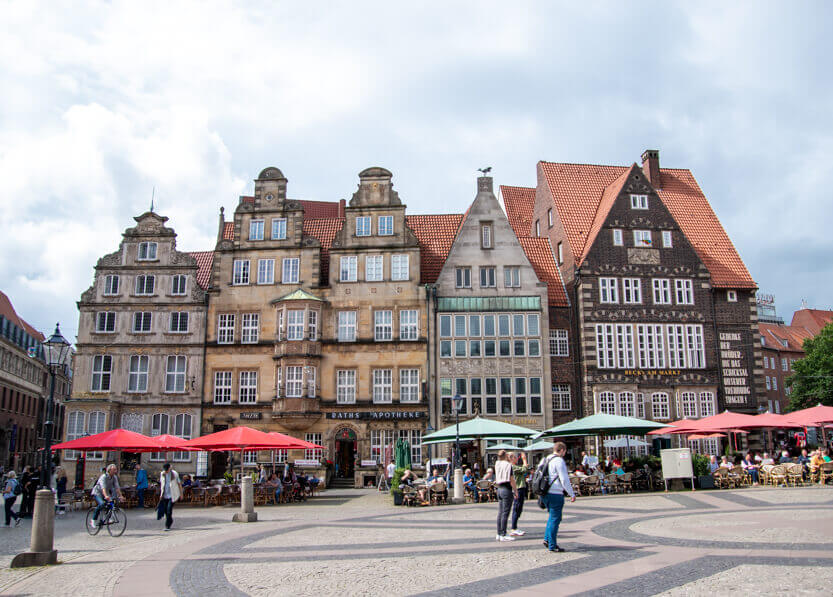
The vast square, located in Bremen’s old town, opened up before us, surrounded by impressive historic buildings on every side. Our eyes darted from one building to the next, taking in the dark brick façades in Gothic, Romantic, and Baroque styles, each vying for our attention.
There were many tourists, but the square’s size easily absorbed the crowd. Cafés and restaurants lined the edges, while children played among the pigeons, adding life and movement to the scene.
St. Peter’s Cathedral
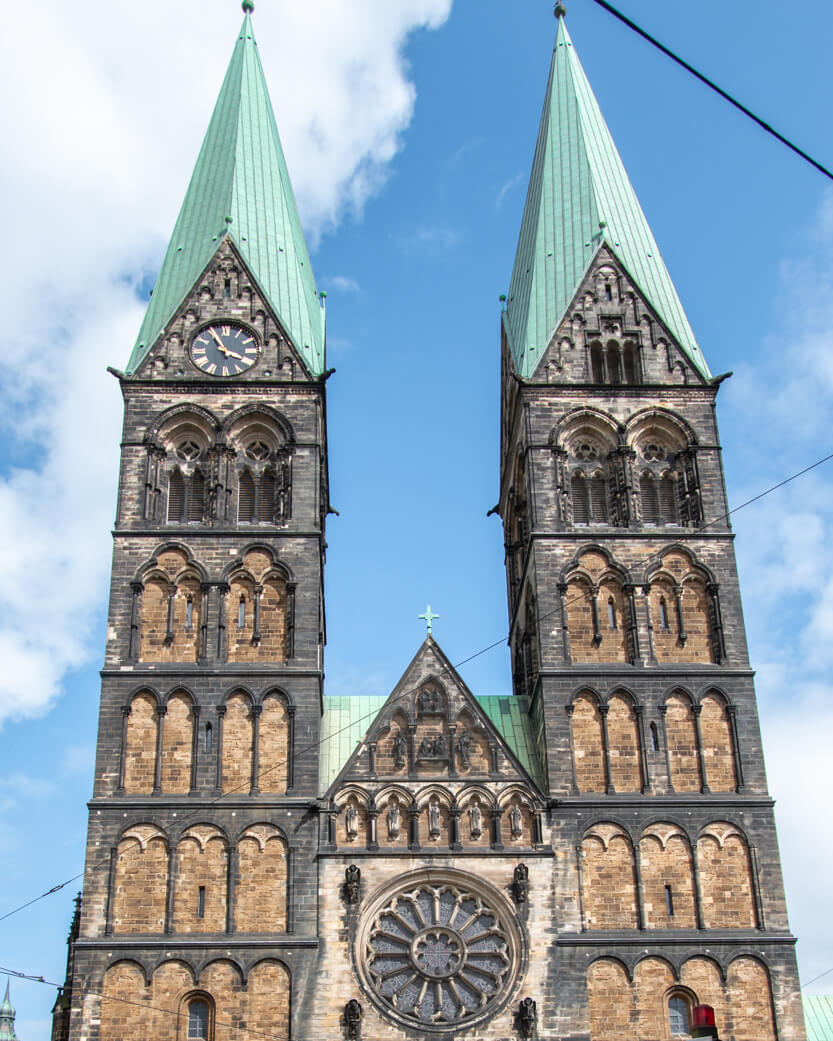
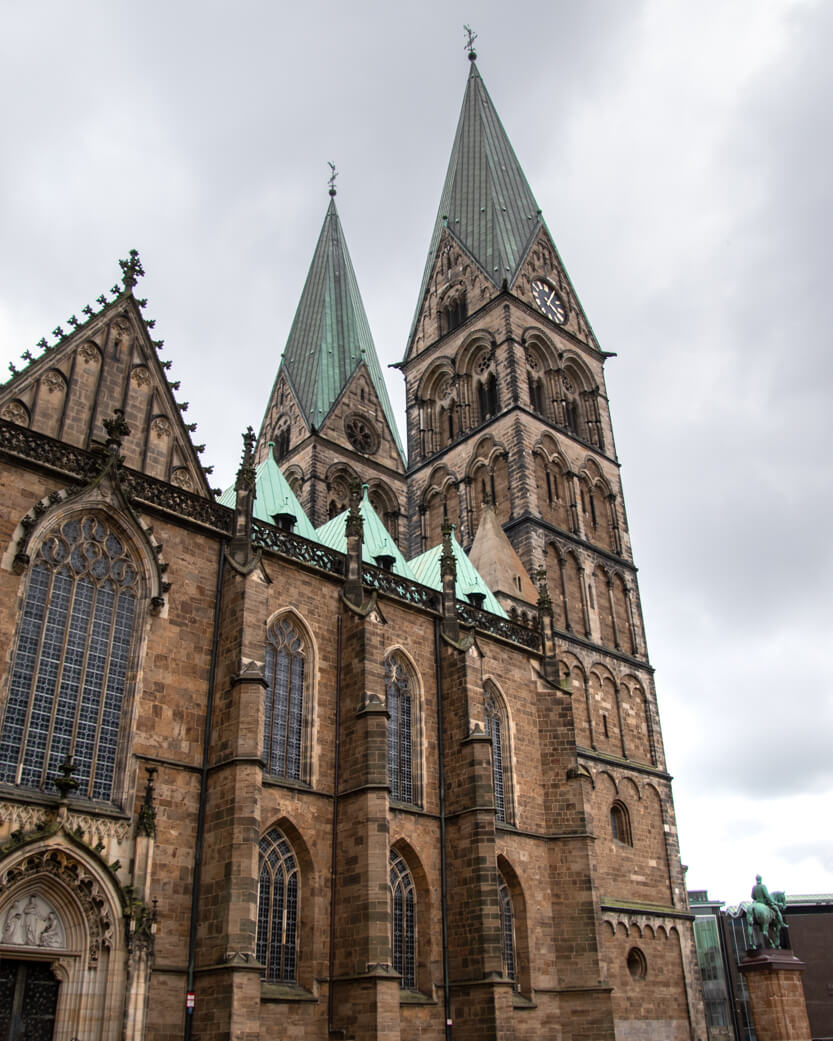
One of the first things we noticed on the expansive Marktplatz was the city’s grand cathedral, St. Peter’s Cathedral. As Bremen’s largest church, its Romantic-Gothic spires reaching skyward gave it a truly majestic presence.
St. Peter’s Cathedral is an impressive structure in the heart of Marktplatz, dating all the way back to the 9th century. It holds over 1,200 years of history, with a mix of Romanesque and Gothic architecture, beautiful towers, and ornate decorations. The cathedral is especially known for its crypt, its art treasures, and the fascinating views from the towers, which offer a sweeping panorama of Bremen’s historic city center.
Of course, we couldn’t miss seeing the old town hall, Bremen Town Hall.
Bremen Town Hall and the Ratskeller
Bremen Town Hall is one of the city’s most iconic buildings and is listed as a UNESCO World Heritage Site. Originally built in the 15th century in Gothic style and later adorned in the Weser Renaissance style, the Town Hall is renowned for its stunning façade, rich history, and as a symbol of Bremen’s independence and trading tradition.
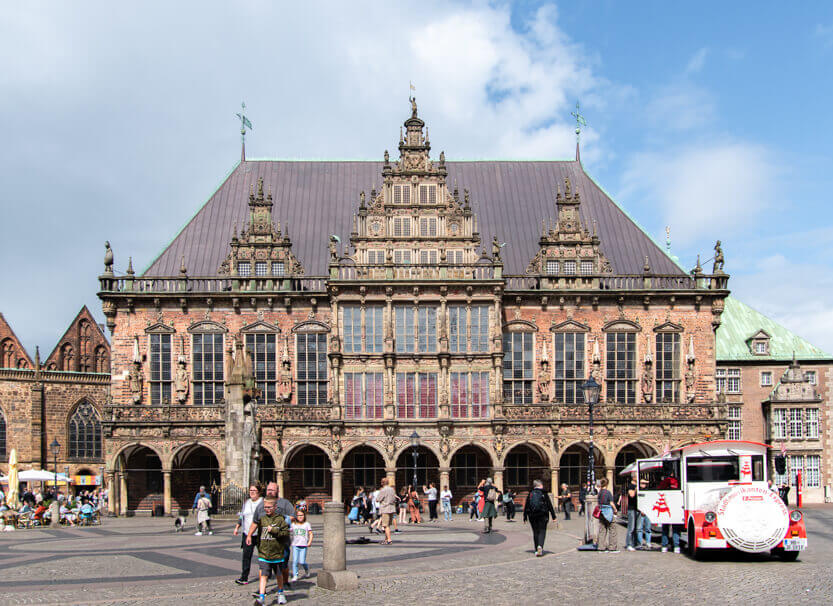
Located beneath the Town Hall, Bremen Ratskeller is one of Germany’s oldest wine cellars, dating back to 1405. It houses a unique selection of German wines, including some of the world’s oldest casks. The Ratskeller is both a historic treasure and a lively restaurant, where visitors can experience authentic German wine culture. Unfortunately, we didn’t have time to visit it on this trip.
Roland
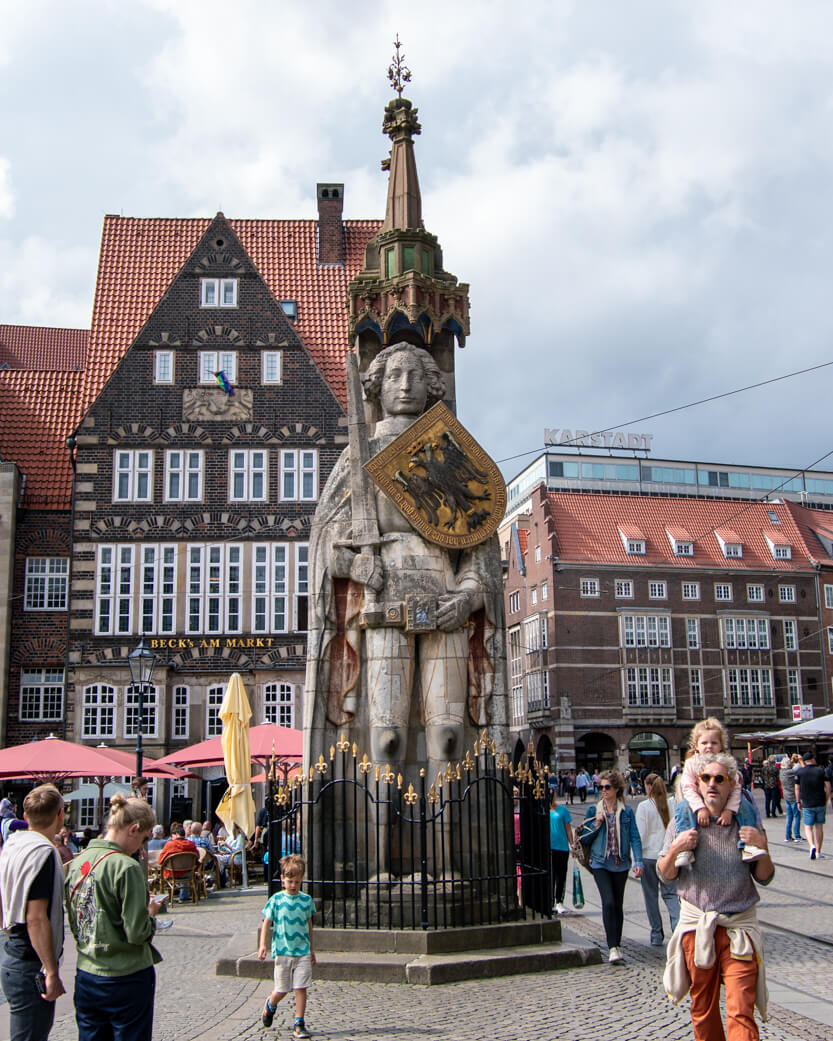
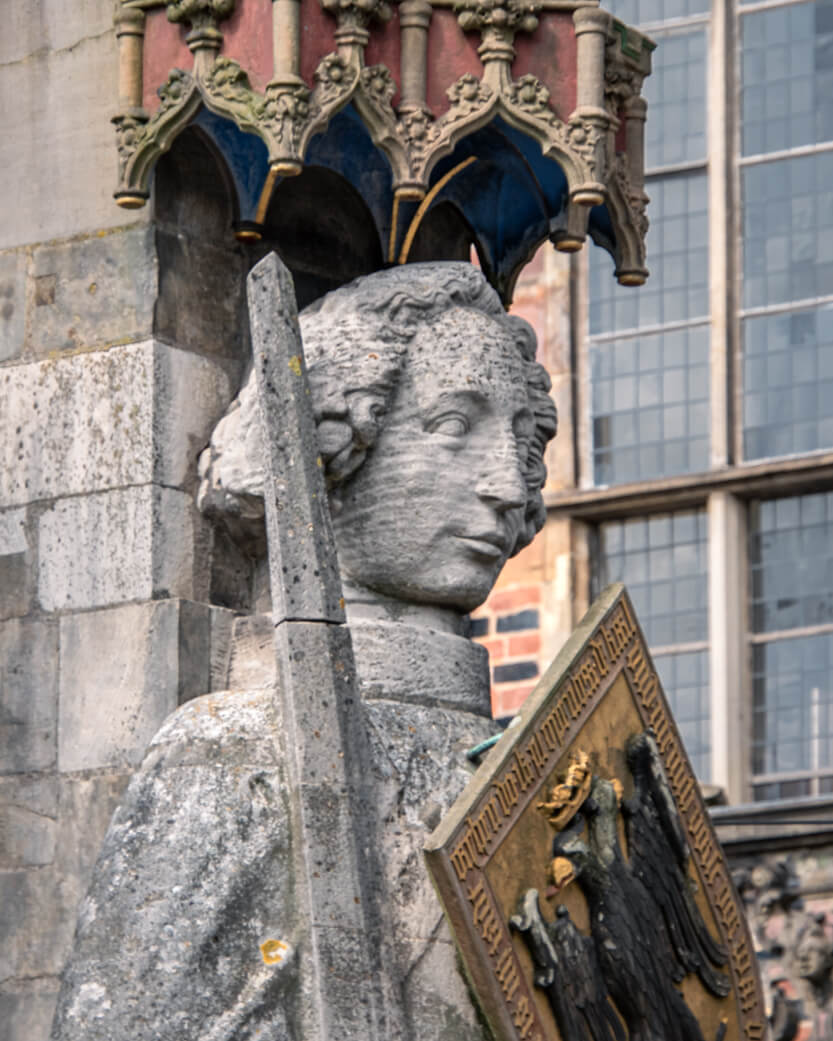
In front of Bremen Town Hall, we couldn’t miss the statue of Roland, the knight. Today, Roland represents the city’s independence and rights. When the statue was erected in the Middle Ages, it signified that Bremen had the rights to self-governance and trade without direct control from the nobility. Roland still stands proudly in front of the Town Hall as a symbol of “Bremen’s freedom as a free city.”
The Town Musicians of Bremen
The Town Musicians of Bremen is a famous bronze statue near the Town Hall, depicting the donkey, dog, cat, and rooster from the Brothers Grimm fairy tale. The sculpture symbolizes courage, cooperation, and the hope for a better life. It ties the city’s identity to this beloved story and has become an iconic landmark in Bremen.
Haus des Glockenspiels
In the same area, you’ll find Haus des Glockenspiels, a building that may seem unremarkable at first glance – but its famous carillon plays three times a day. The carillon consists of 30 Meissen porcelain bells.
What makes it so special is the combination of music, craftsmanship, and the rotating wooden tableaux, which depict great explorers. Nowhere else in the world combines music, artistry, and storytelling in this way, making this house a true icon of Bremen’s Böttcherstraße.
The quirky charm of Schnoor
What we had been most excited to explore in Bremen was the city’s oldest quarter: Schnoor. Conveniently connected to the Marktplatz, it was a natural next stop.
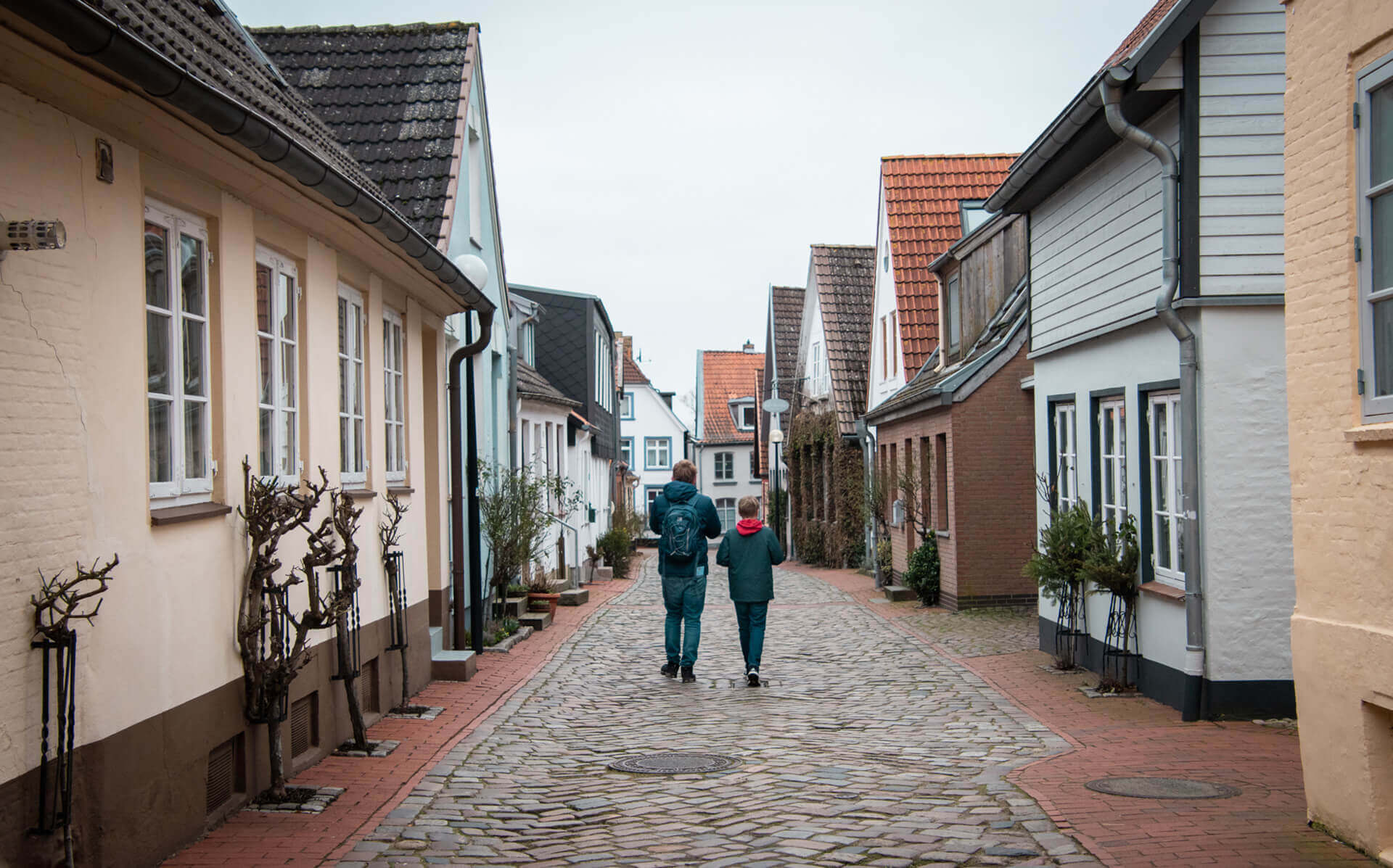
Schnoor feels like a pocket of another, much older time right in the heart of Bremen – it’s almost like a little village within the city. Just a few hundred meters from the Marktplatz, you’ll find narrow, winding streets lined with charming houses from the 15th and 16th centuries, each seeming to tell its own story. Small cafés, artisan shops, and galleries give the neighborhood a uniquely cozy and inviting atmosphere.
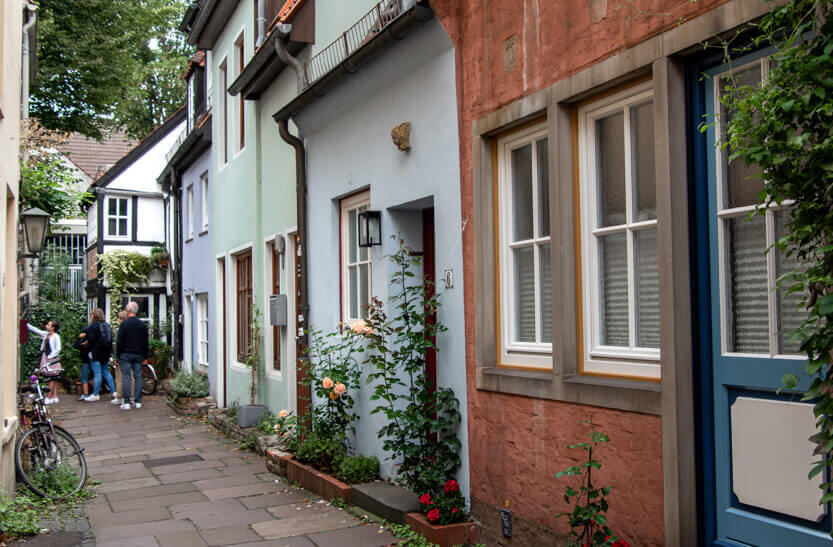
The name “Schnoor” literally means “string” or “rope,” a nod to the area’s original use by fishermen and traders who lived in small, narrow houses along the winding streets.
The streets are often only 2–3 meters wide, making it easy for fishermen to carry their catch and ropes through the neighborhood. There was no need for wide roads for carts or heavy traffic – it was a local area for craftsmen and workers, full of practical charm and history.
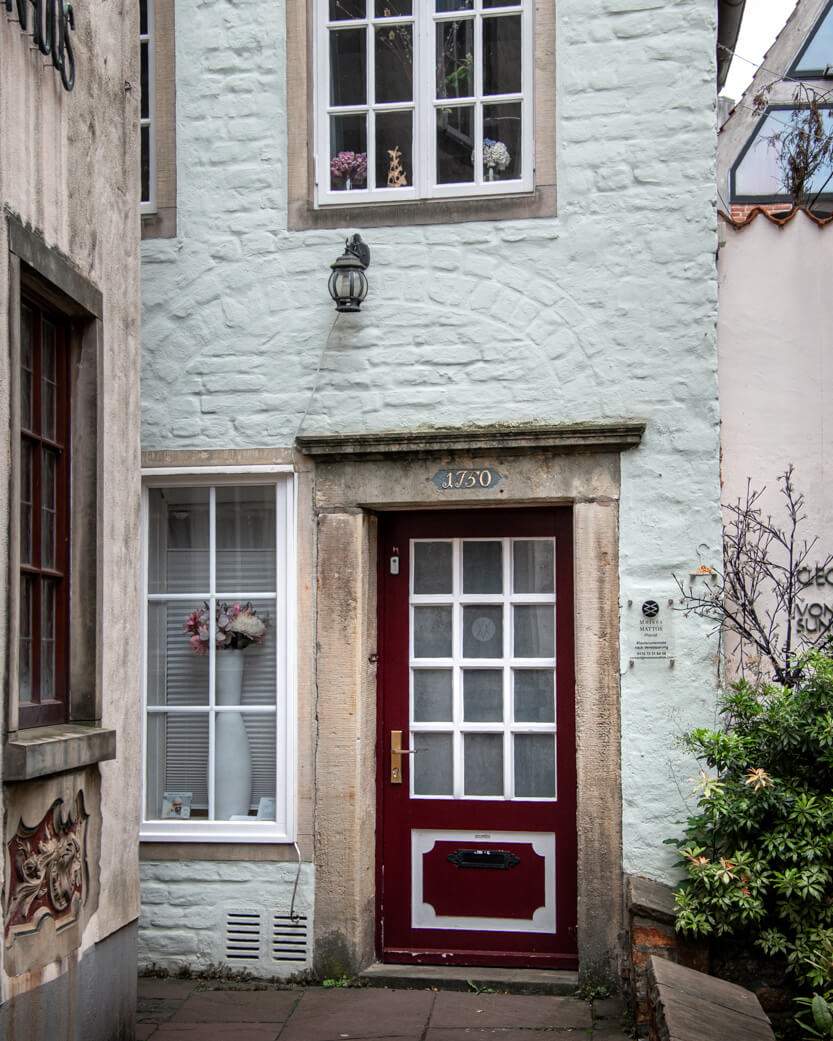
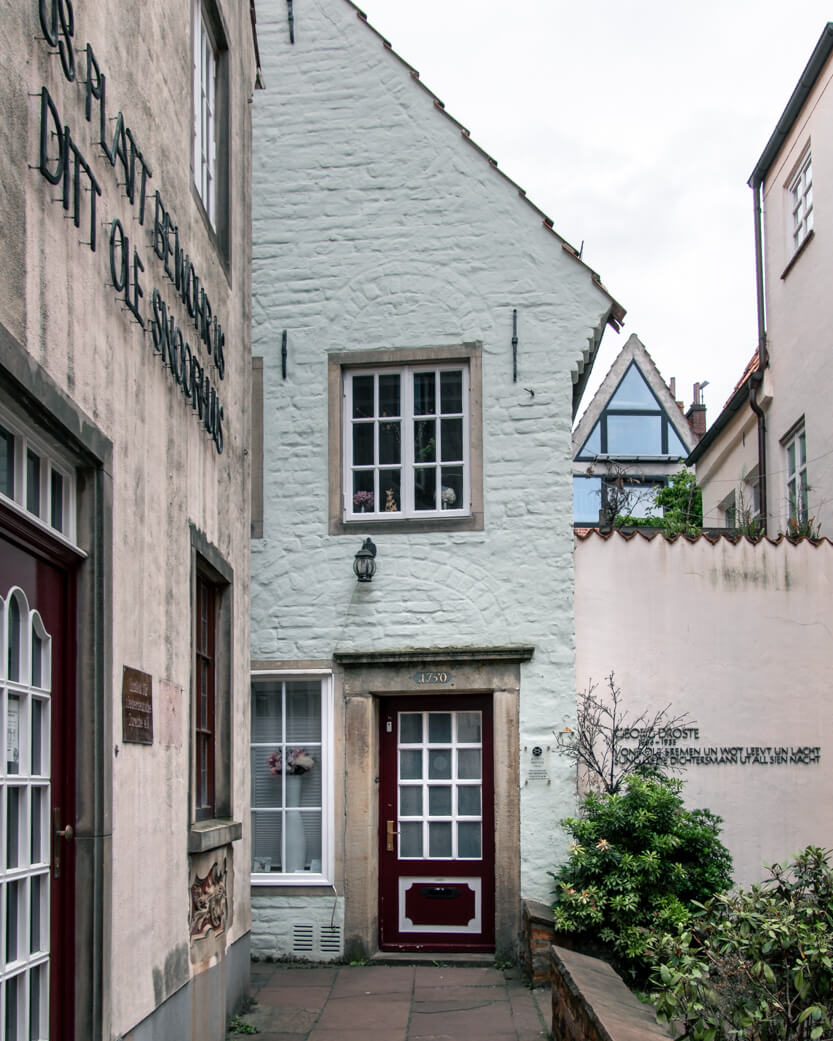
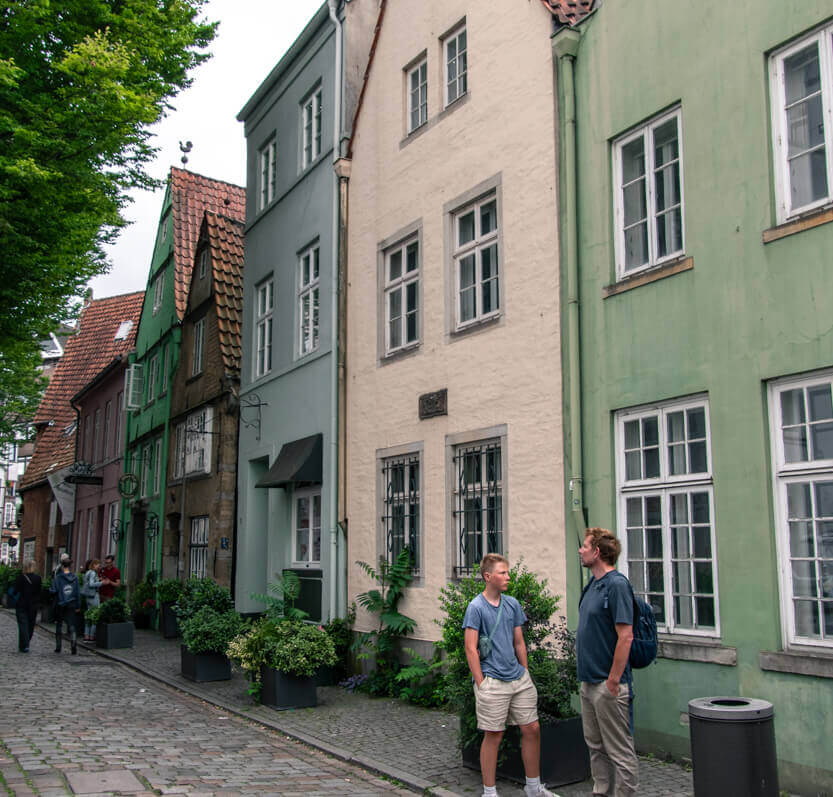
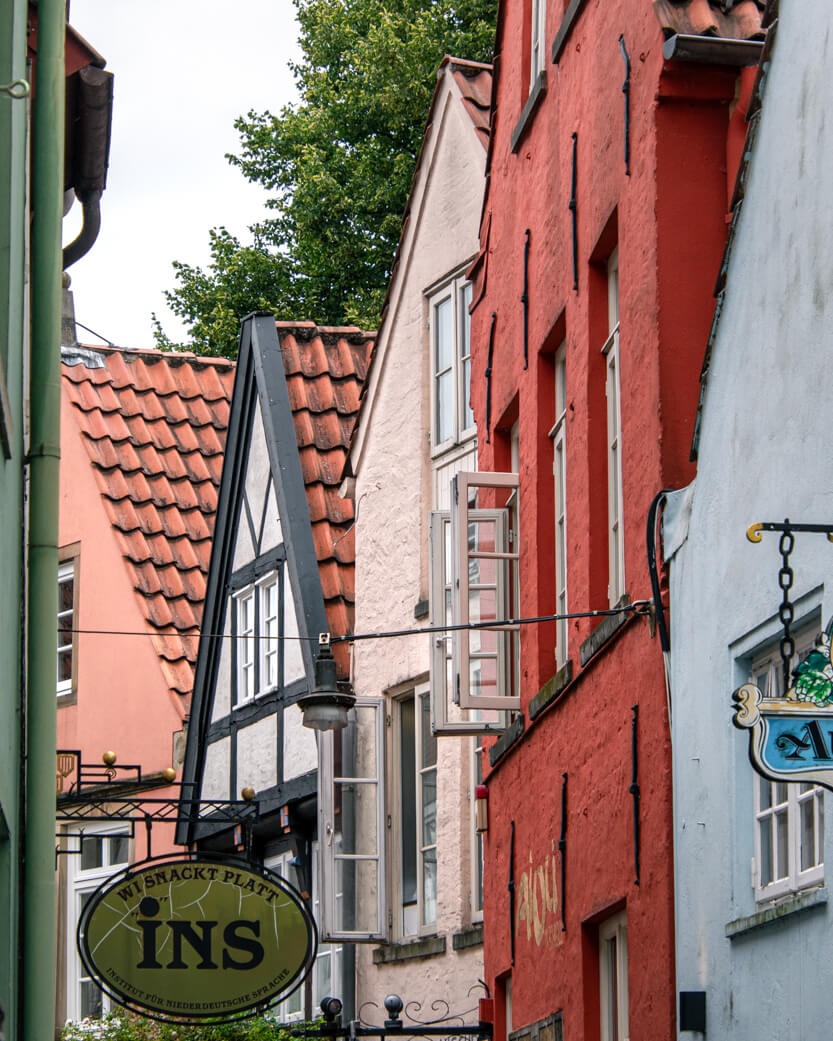
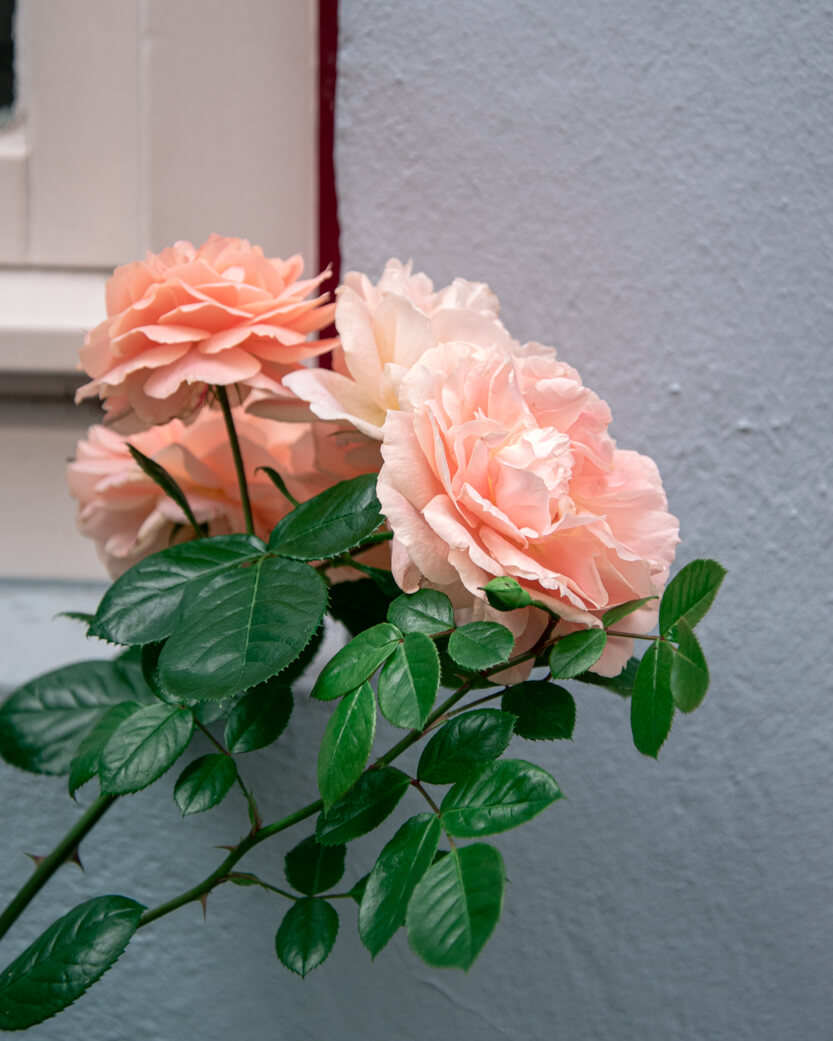
The houses are built very close together, sometimes almost “stuck” to one another. This reflects the limited space and the practical need to have homes and workshops close to the harbor and water, where fishermen could store their gear and work on nets and ropes.
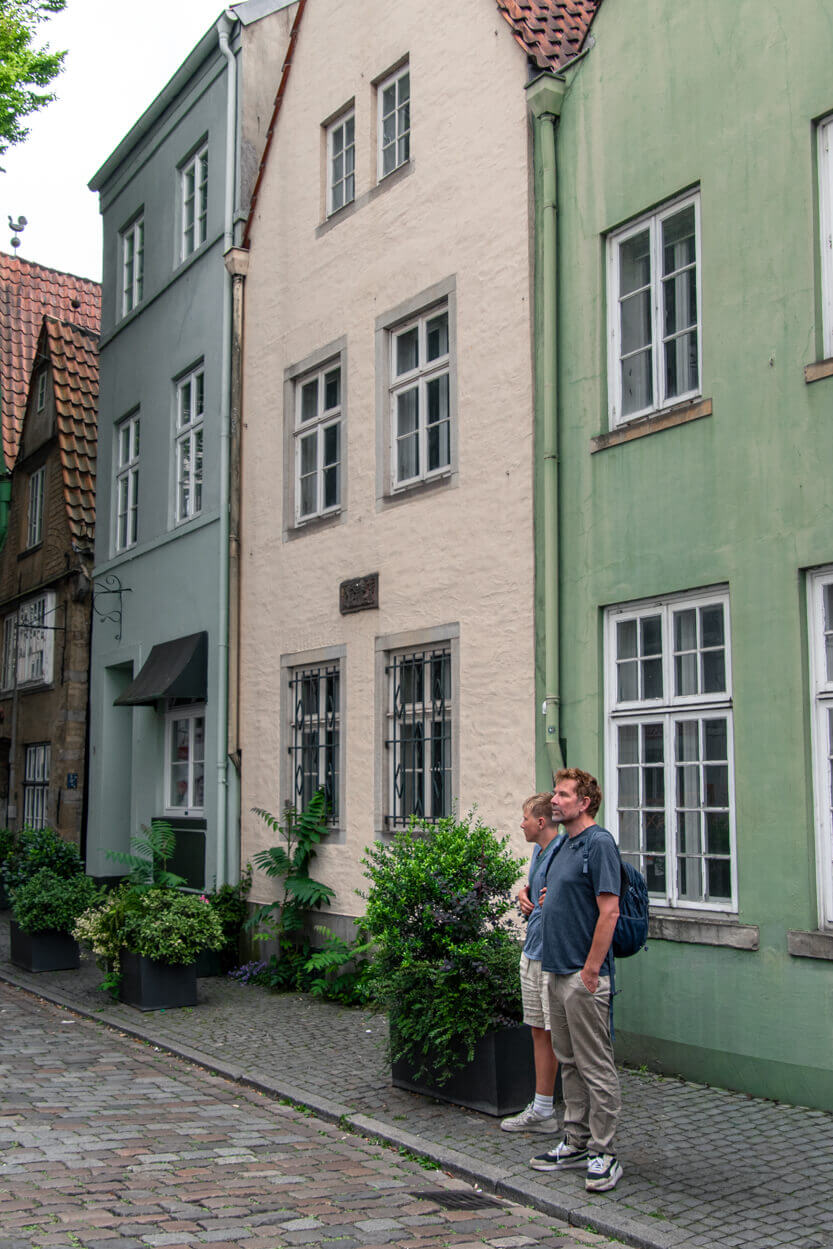
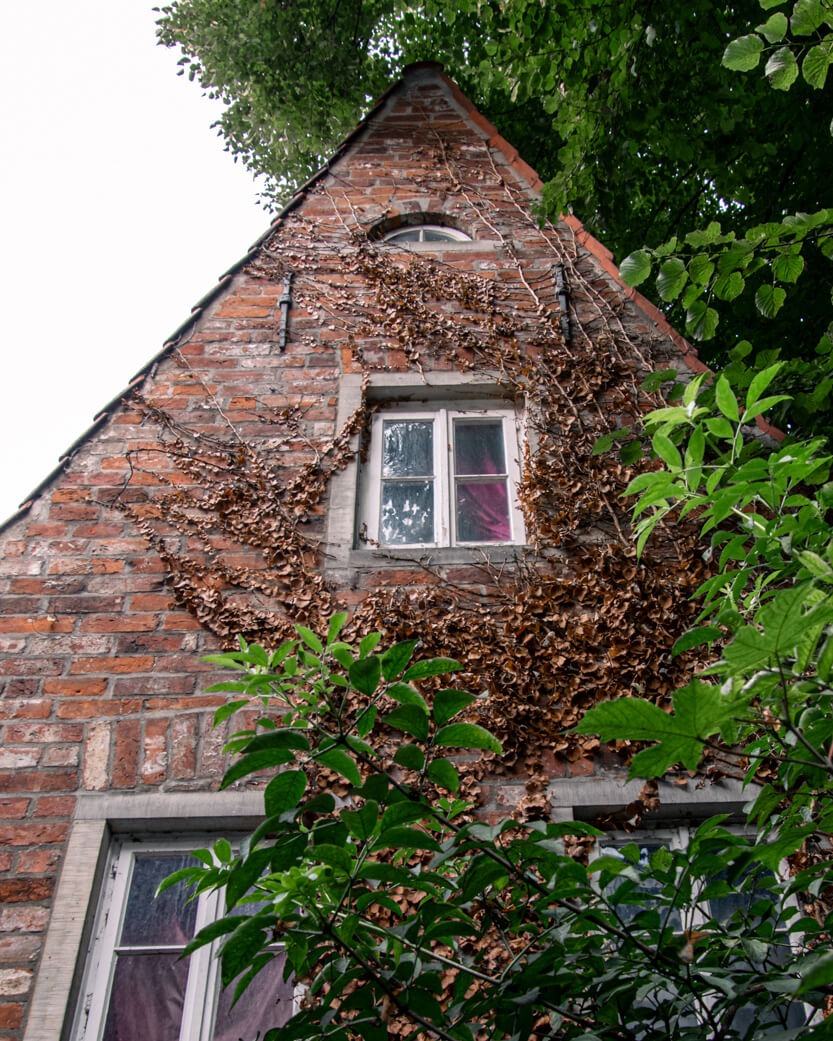
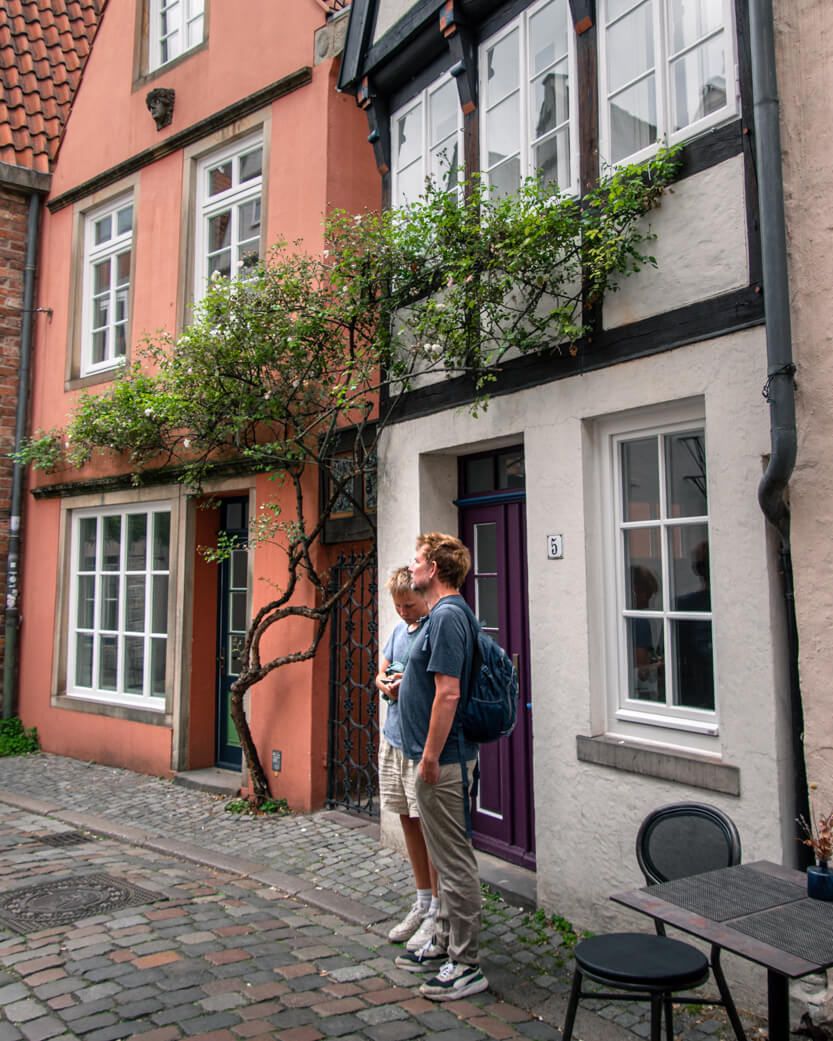
Many of the houses originally had workshops or storage spaces on the ground floor, where ropes, fishing gear, and other supplies were kept.
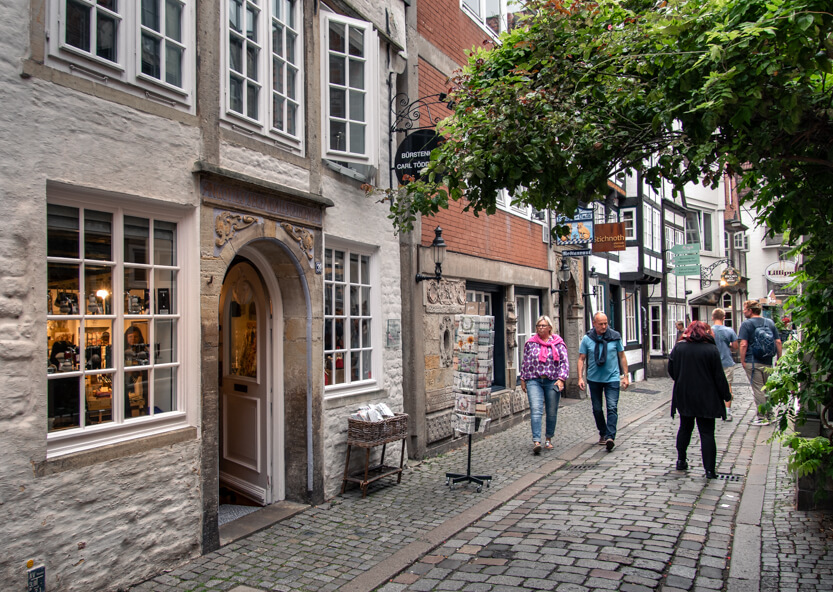
The narrow alleys made it easy to quickly transport the catch from the water to the houses and onward to the market.
Today, the streets are still narrow and charming, giving the neighborhood its distinctive medieval atmosphere. Even though the fishermen’s work is long gone, you can still see how the streets and buildings were designed for small, work-focused communities.
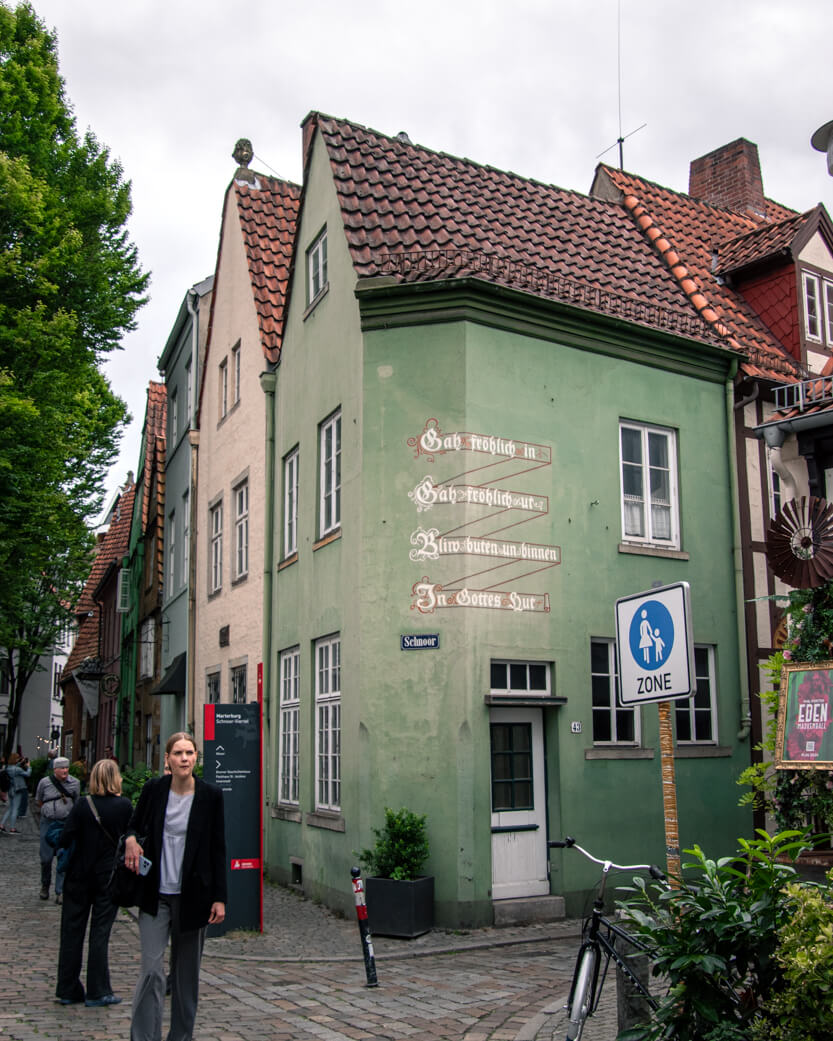
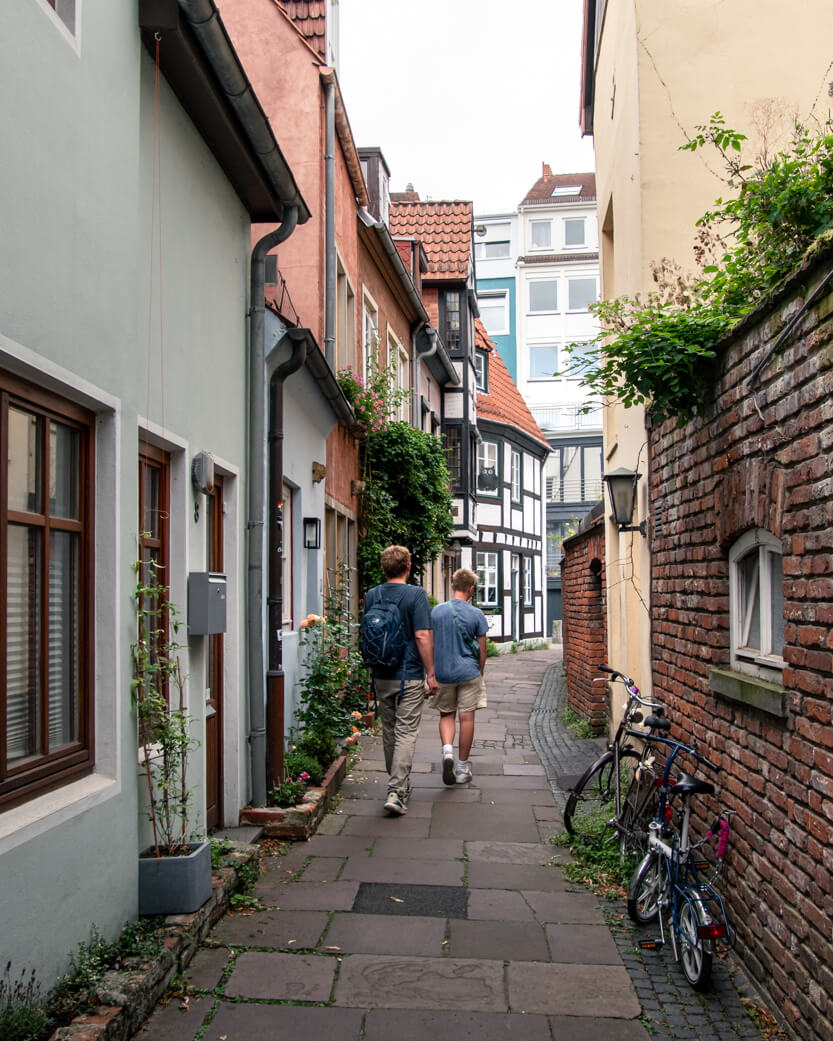
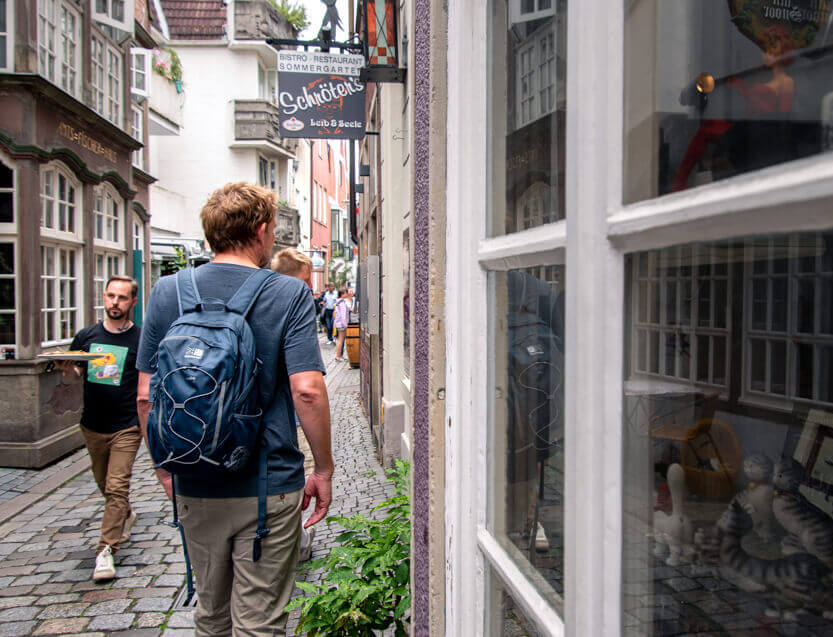
Schnoor is one of the most incredibly charming areas you can imagine, where you can soak up the old Hanseatic atmosphere, shop locally, and snap photos of idyllic streets. Unfortunately, we weren’t the only ones with that idea – there were quite a lot of tourists, which slightly dampened the experience for us. But… tourists or not, the streets are charming.
Böttcherstraße
Just 300–400 meters from the Schnoor Quarter, you’ll find Böttcherstraße. This narrow street is a gem of unique, artistic architecture and feels like a world of its own. From the outside, it may not look like much, but stepping inside is like entering another era. Red bricks, artistic decorations, and the spirit of 1920s idealism make it feel like a small time capsule in the heart of the city.
Street food in Bremen
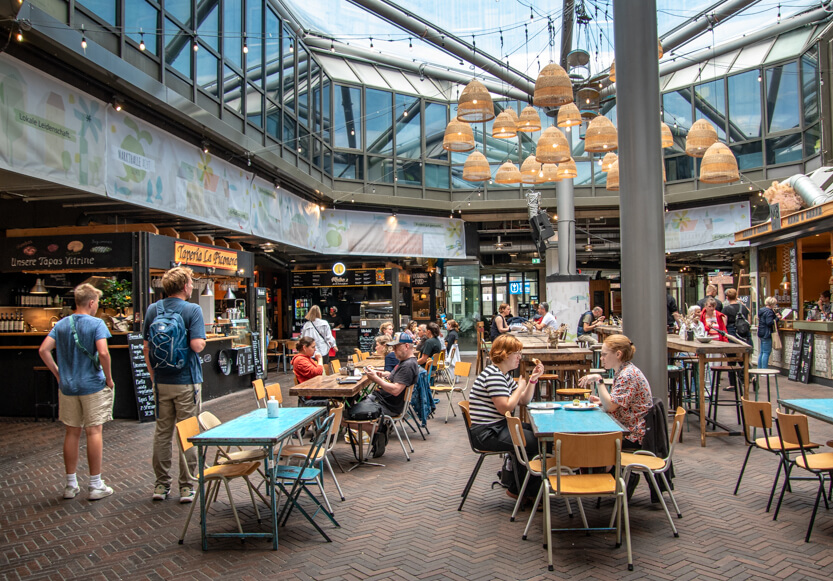
Bremen has several spots for street food – which we often seek out, since it’s usually affordable and exciting. A visit to one of these street food hubs was a natural choice for us, but we actually stumbled upon Markthalle Acht by chance.
The food didn’t disappoint – it was absolutely delicious. Being centrally located in the city also made it a perfect stop while exploring Bremen.
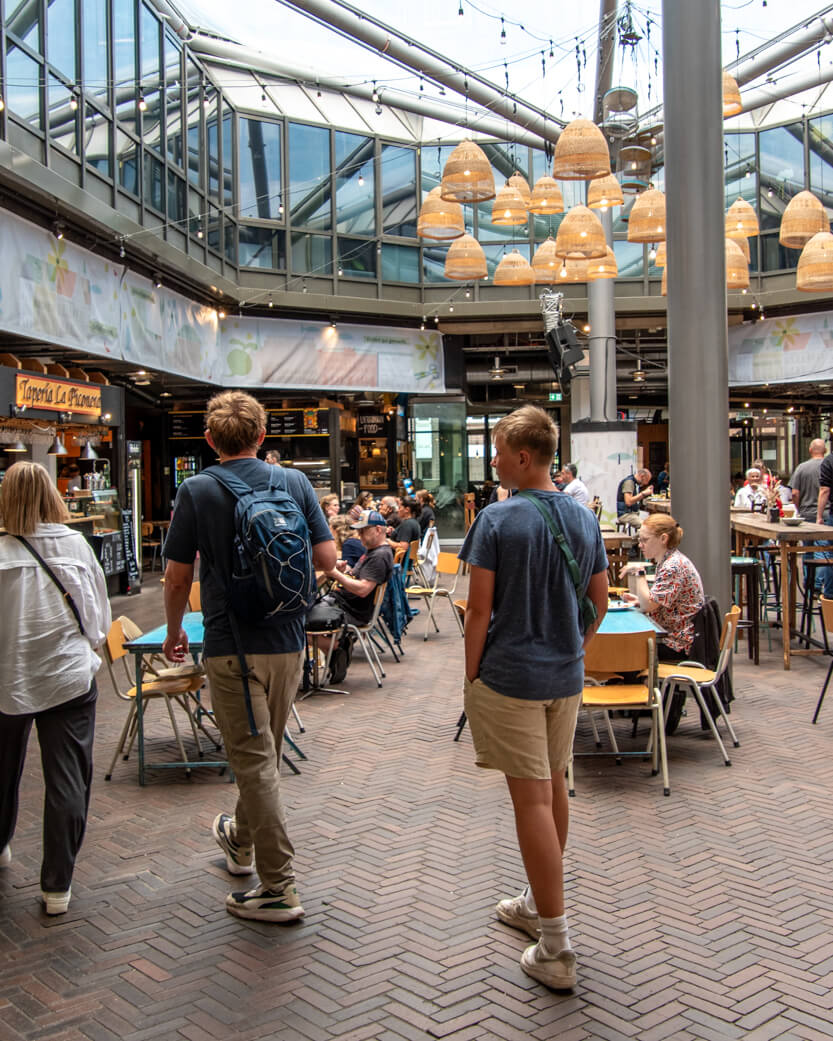
Markthalle Acht turned out to offer a wide range of culinary experiences from around the world. Here, we could choose everything from Hawaiian bowls and Mexican burritos to Korean and Pakistani dishes. European classics were also on the menu, including Spanish tapas and Italian pizza. There was a lovely selection of cakes and pastries, too. Drinks ranged from fancy cocktails to Italian and German aperitifs, as well as a variety of specialty coffees.
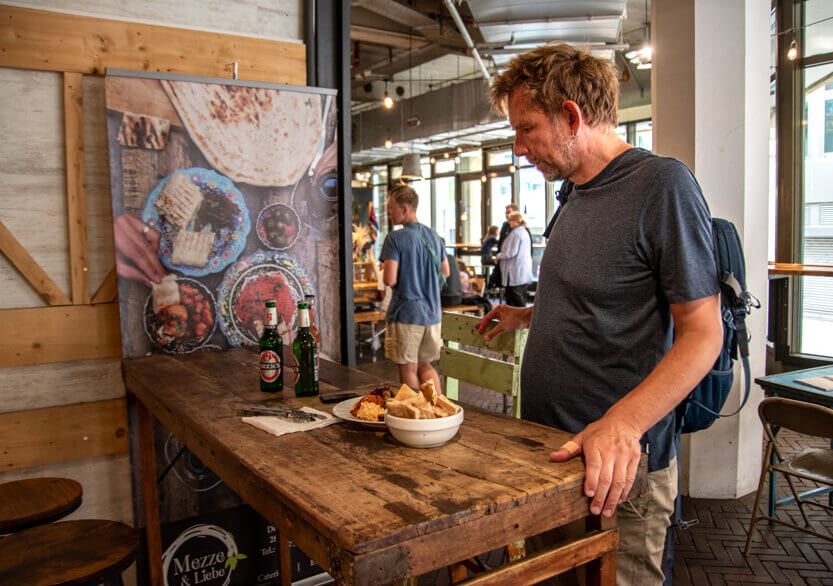
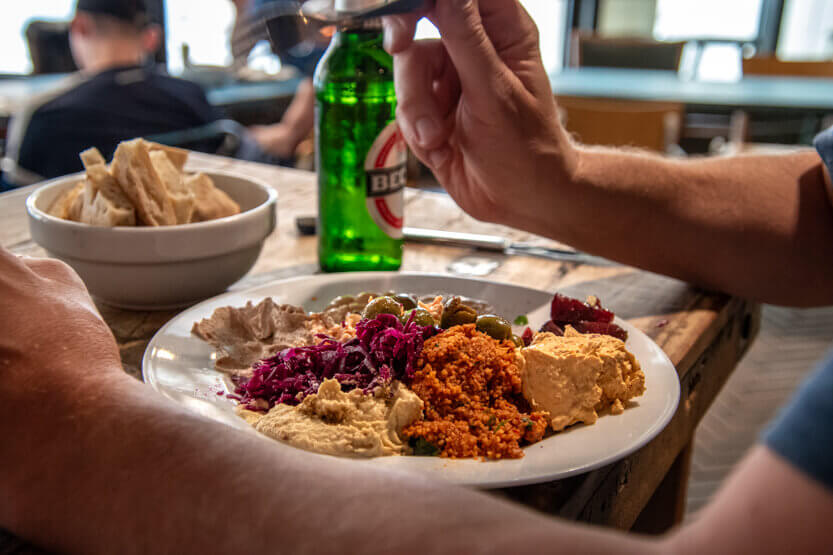
We went for the Beck and the Pakistani dishes… mmmh.
Other experiences in Bremen
They say a picture is worth a thousand words, and I often find that to be true. Below, you’ll find three photos from our stopover in Bremen. Each points in a different direction – but that’s pretty much how we experienced the city. Bremen offered many things and left us with a variety of impressions.
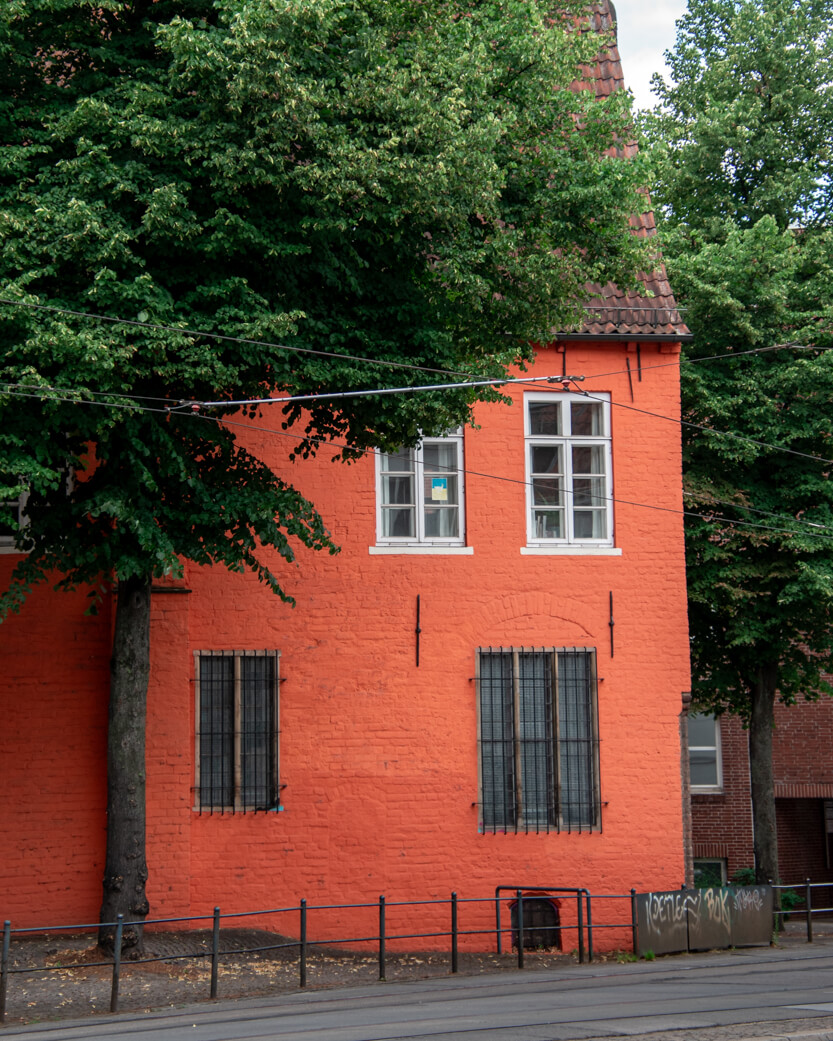
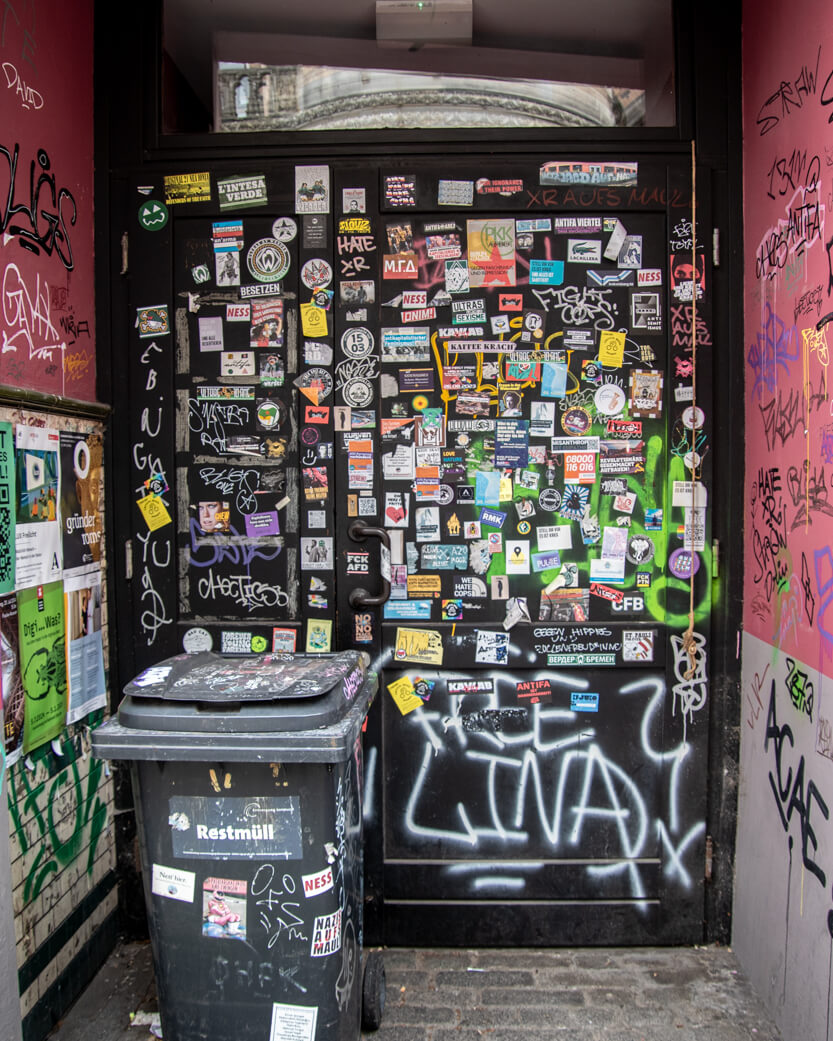
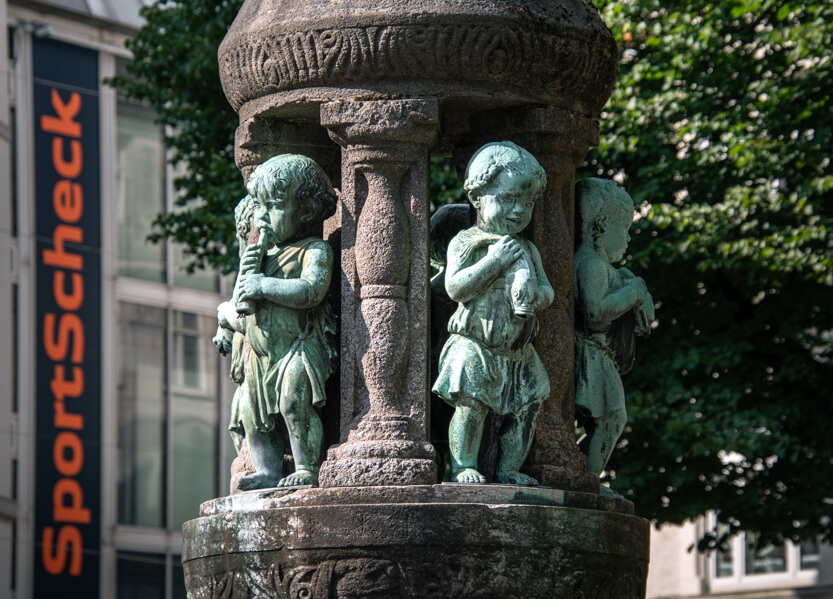
Bremen is a large city, yet it doesn’t feel overwhelming once you’re right in the heart of it. The most important thing is that Bremen has its heart in the right place. Even though we only had a single day, it felt like we experienced a lot. Perhaps that’s because it wasn’t about seeing everything – which would have been impossible – but about soaking in what the city had to offer.
Bremen was a delightful little adventure and definitely worth a visit if you’re planning a stopover in Germany. Would we return? That’s a bit more uncertain, as it’s relatively easy to see the main sights in just one day, and now we’ve experienced them. But if you’re in this part of Germany, it’s certainly worth stopping by.