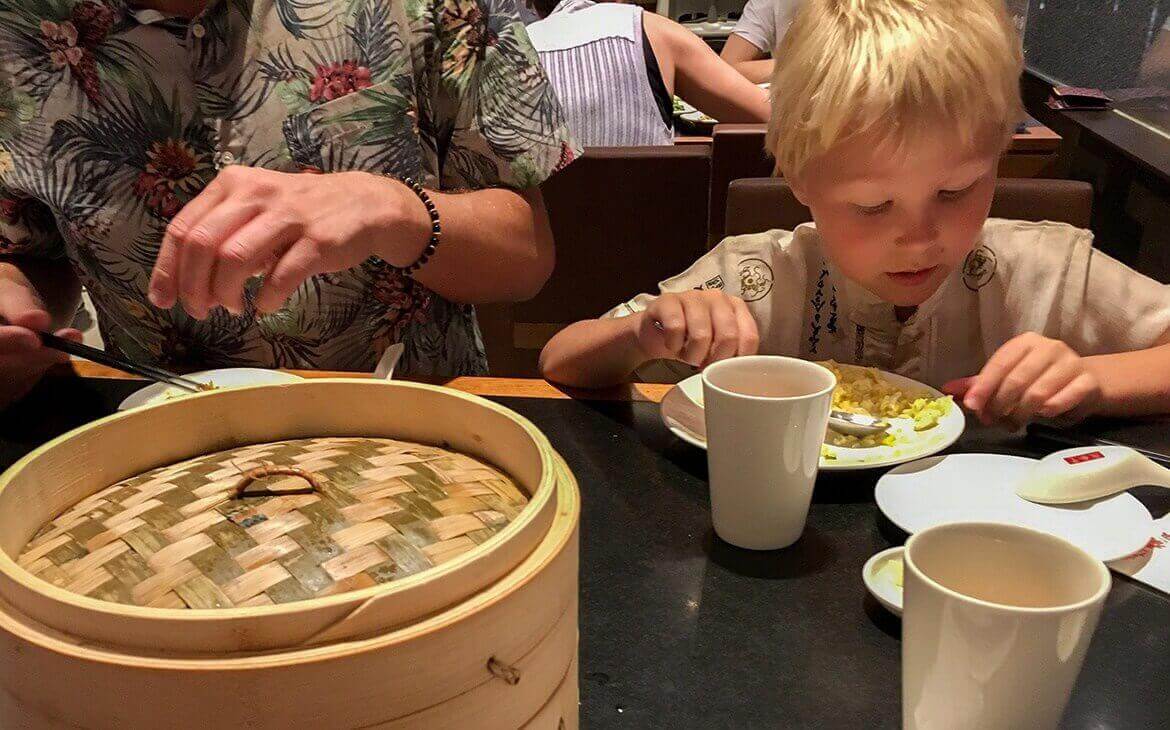
It was the summer of 2023, and for the third time, our little trio landed in one of Asia’s absolute metropolises: Singapore. A city that, every time I visit, changes and surprises me. Yet there is one thing that remains the same – Singapore is expensive. Very expensive.
After traveling around Malaysia, ending our trip in Borneo, we had grown used to being able to eat out anytime and (almost) anywhere. Even though we knew it in advance, it hit us the moment we arrived in Singapore – how costly everything had become. Not just the restaurants and cafés. No, everything is expensive. And more expensive than when we last visited in 2017. Prices had surged significantly – hotels were pricier, entrance fees higher, meals more expensive.
After wiping away tears over our first café bill, when it suddenly dawned on us just how much everything had gone up, we decided to change course immediately.
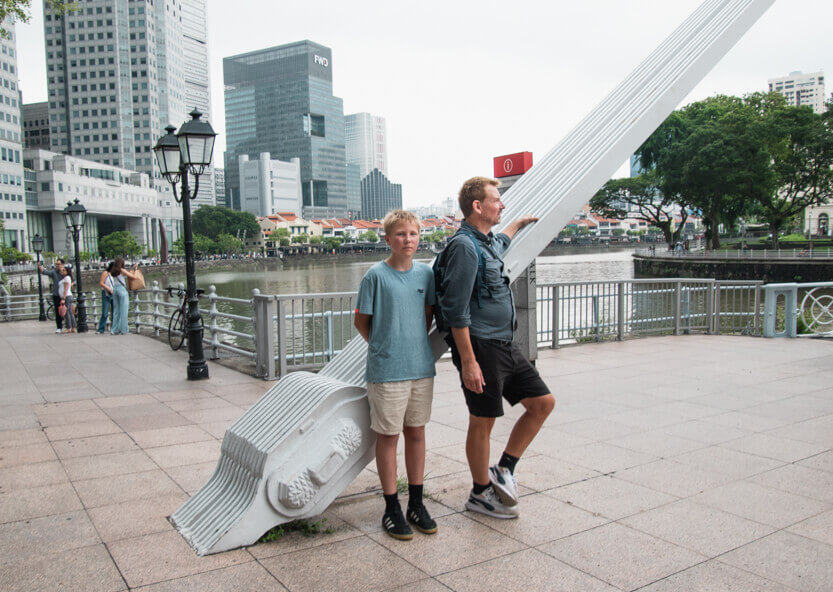
Instead of sticking to our original travel strategy, we decided to focus on our wishes for the trip and prioritize the experiences we truly wanted. We quickly discovered that this simple exercise made it easier to pick out the most important things while avoiding unnecessary expenses. It helped us manage our budget, while still enjoying the experiences we had really been dreaming of.
Singapore may be expensive, but fortunately, for us, it’s also full of free adventures. With this in mind, we set out to explore the city, filling our days with adventures to bring home. Adventures we had been hoping for –some free, some that cost a pretty penny. Adventures that we are thrilled to have experienced – and that we wholeheartedly recommend.
Here’s our take on 7 free adventures to seek out in Singapore (+ 4 that come with a price):
1. On foot through Asia’s greenest city
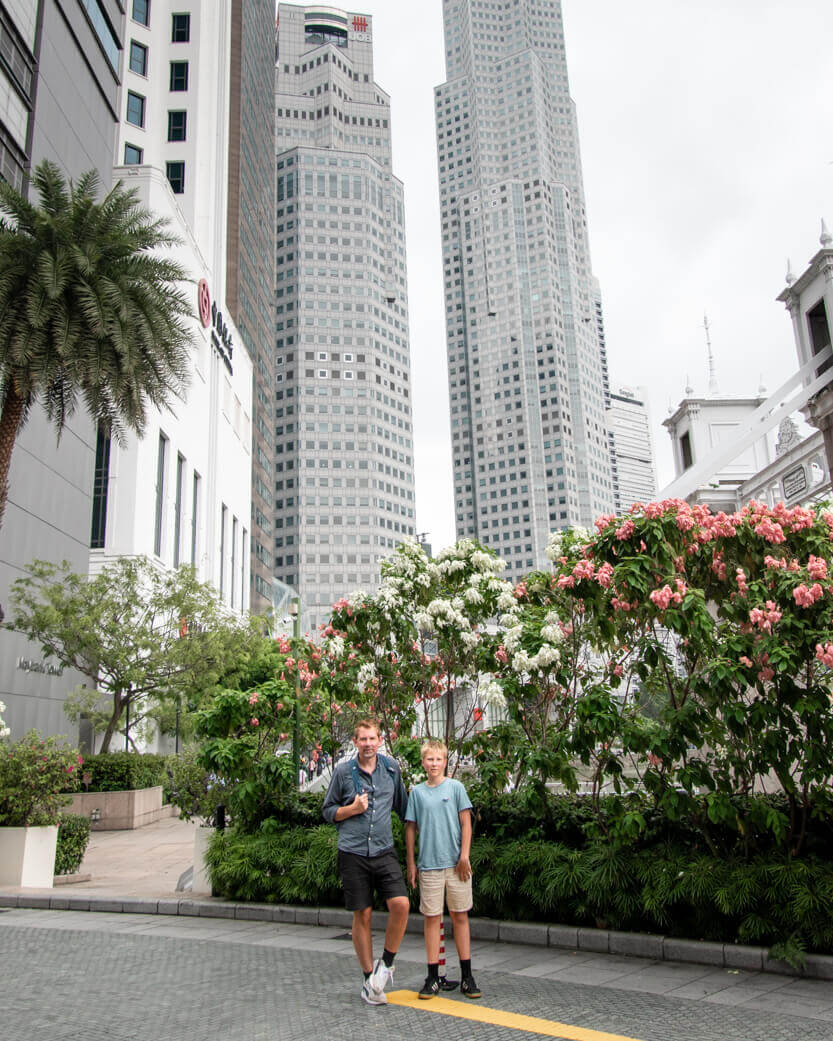
Walking around Singapore’s tropical 30°C heat with 70–90% humidity can be both hot and wet, but wow – the city is bursting with green plants, flowers, palms, and parks. Singapore is truly lush. The greenery looks stunning against the backdrop of old colonial buildings, skyscrapers, and concrete. Beautiful in the sun, refreshing after a sudden shower, dripping… like a real “Frank Buck in Singapore” adventure.
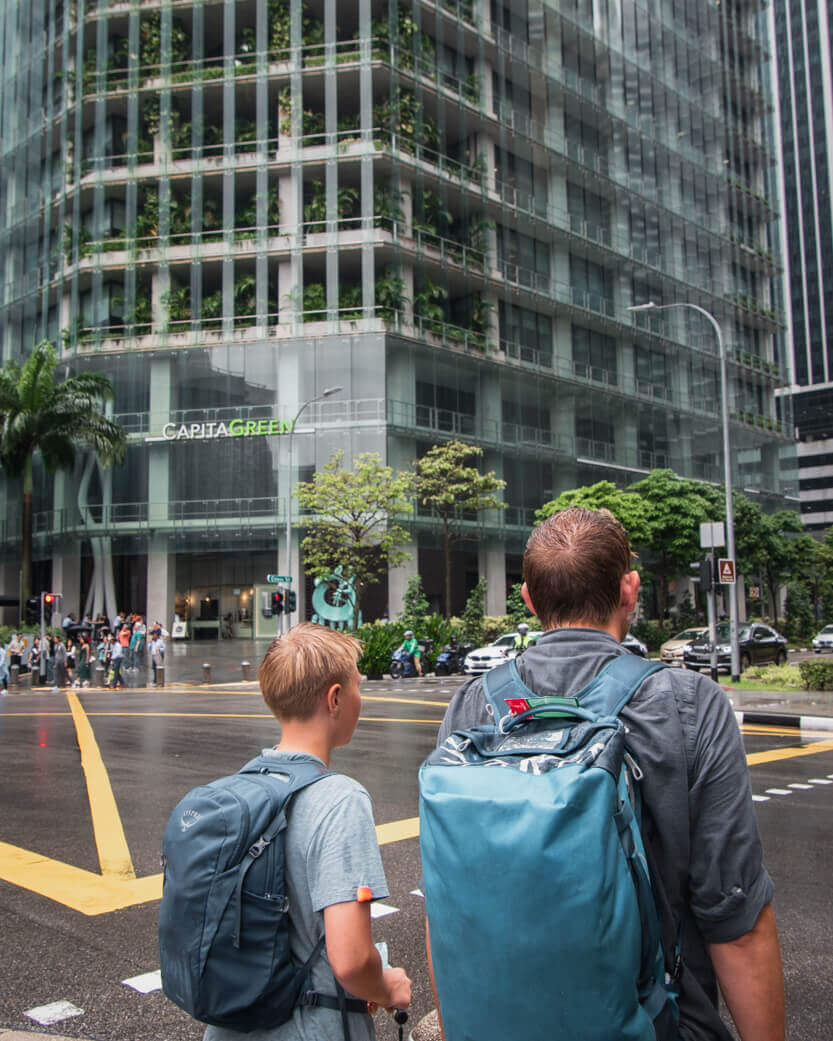
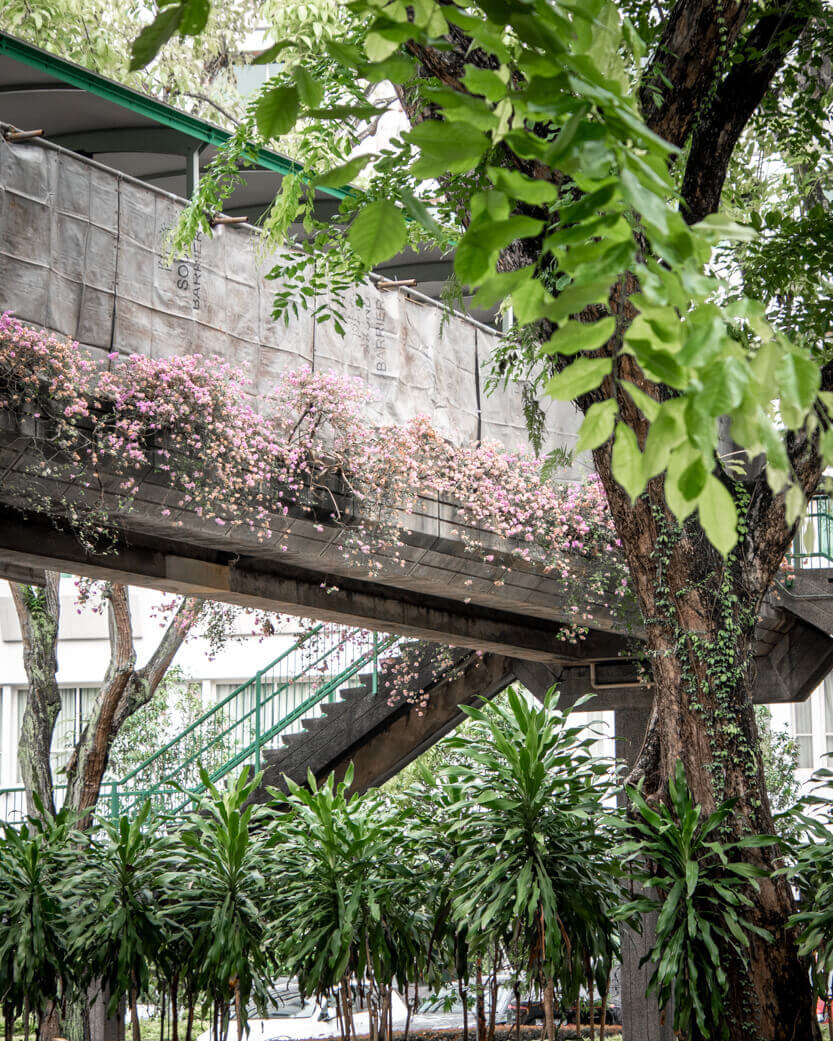
Singapore really gets it. They understand that if they want to survive as a welfare state that continues to attract people from abroad while maintaining a high quality of life for residents, they need to think long-term, sustainably, and green.
Beyond creating countless green housing projects, Singapore has also decided to cool the rising heat of the city with a massive underground cooling system, integrated with above-ground green solutions. You can see the results across the city. Concrete bridges and skyscrapers that once looked gray and dreary are now adorned with vertical gardens and planted walls. Not only is this super smart and environmentally friendly, it’s also a beautiful solution that brings mental joy and calm in the midst of a bustling, busy city.
2. A rainbow of cultures
Even though Singapore is Asia’s greenest city, it’s far from lacking in other colors. In fact, the city is one big palette of the most beautiful color combinations, painted on facades, cultural and religious buildings, temples, and lights.
Singapore is a multi-ethnic society, and as you explore the city, you’ll encounter vibrant clothing and decorations from all over the world – saris, turbans, Western fashion, Chinese attire… The colors form a multicultural adventure you simply can’t miss. Look up – look around. Discovering it all is a true adventure in itself.
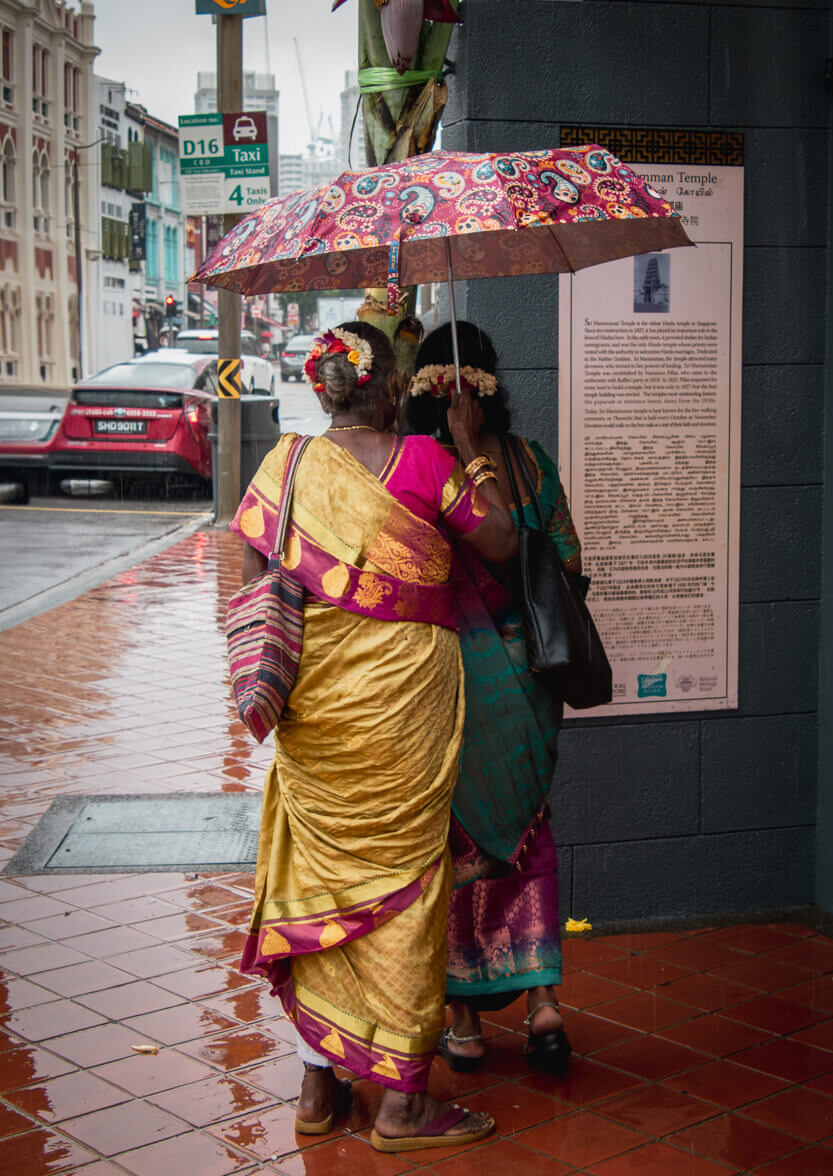
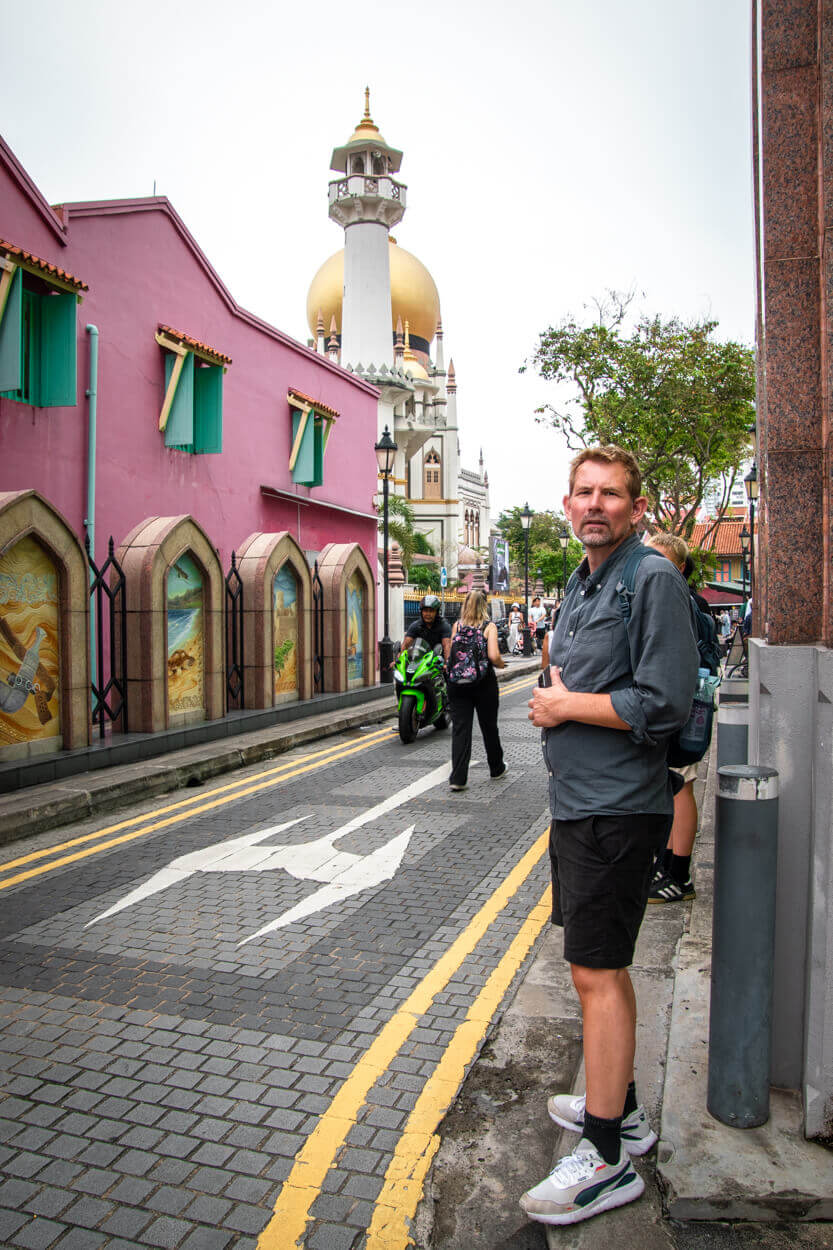
3. Singapore’s historic buildings
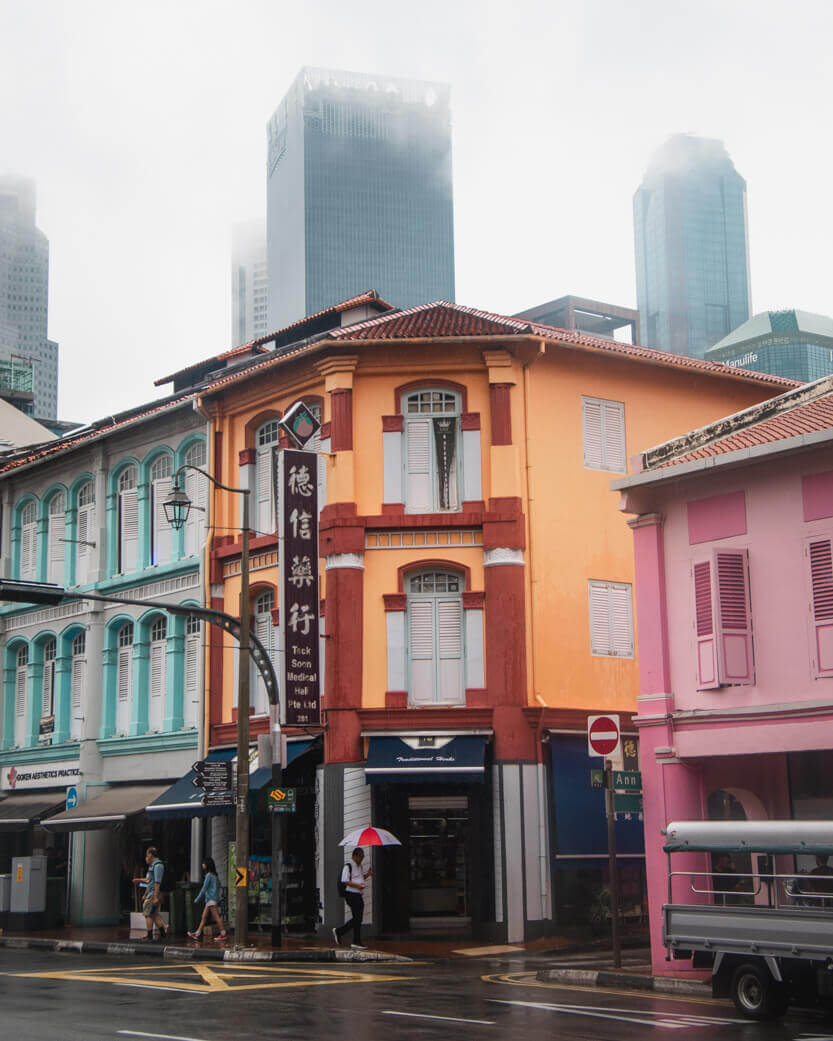
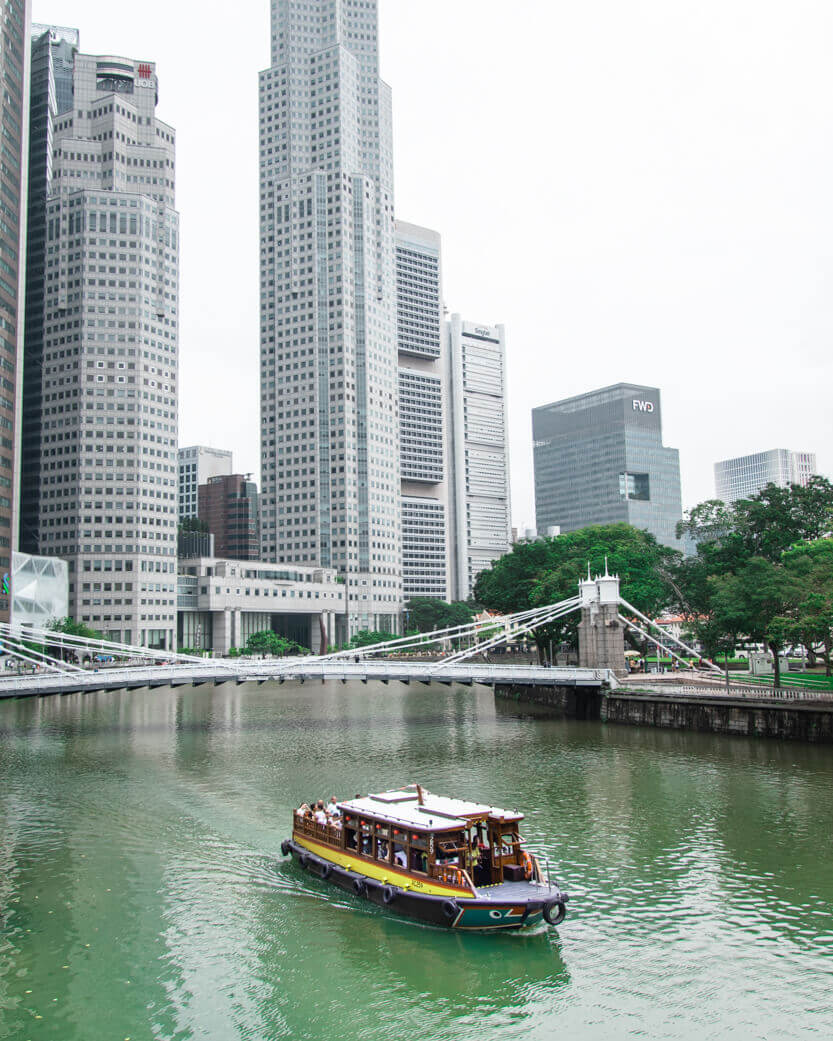
Things move fast in a rapidly developing city like Singapore… and the same goes for demolitions. This happens in many big cities, but in Singapore, they’ve made sure to preserve a large number of historic buildings and colonial-era houses. The result is quite the mix – skyscrapers, concrete, and colorful historic buildings. Yet this mix tells a story, reminding us that nothing comes easy and everything has a price.
The colonial buildings hold particular significance in Singapore. They reflect the important period when the city was under British rule and show the major developments that led to the Singapore we know today. You’ll find these colonial buildings as government offices, schools, and other public buildings. They’re recognizable by their large verandas, columns, and archways – some even incorporate Indian elements.
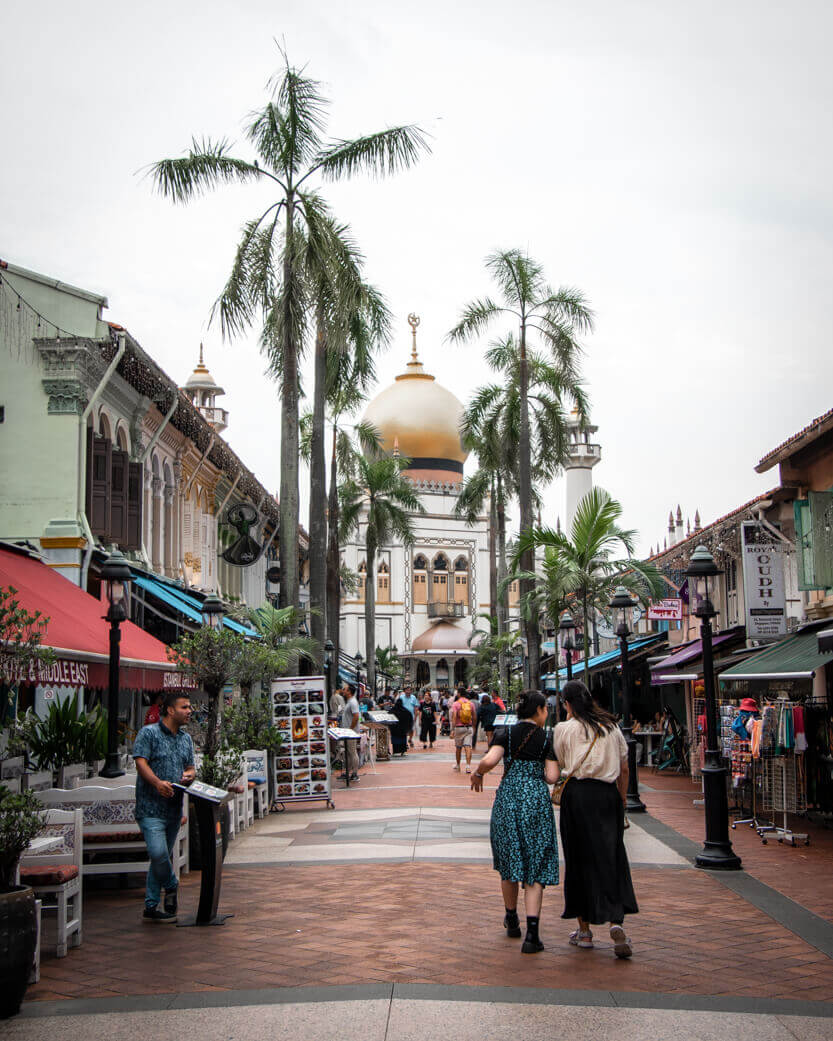
Another type of historic building is the shophouse – narrow buildings with a shop on the ground floor and living space above, often with colorful, decorative facades. Shophouses are everywhere in Singapore, but you’ll see them especially in Chinatown, Little India, and Kampong Glam.
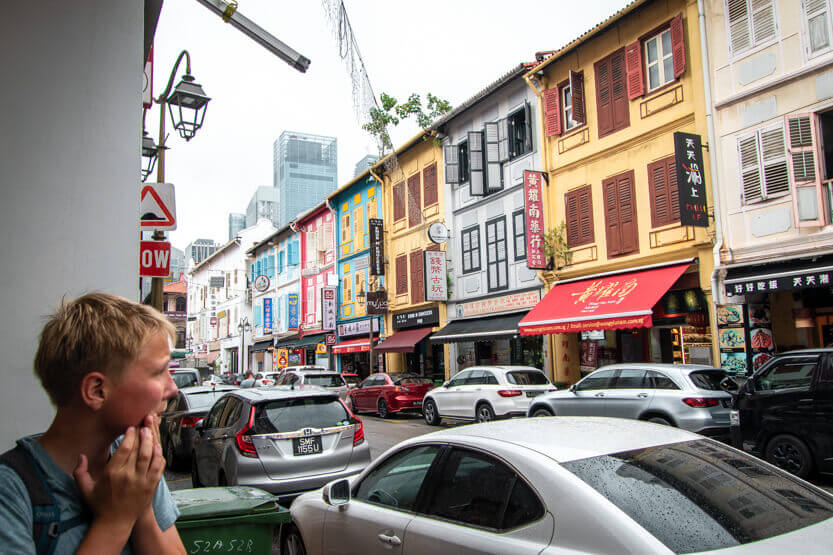
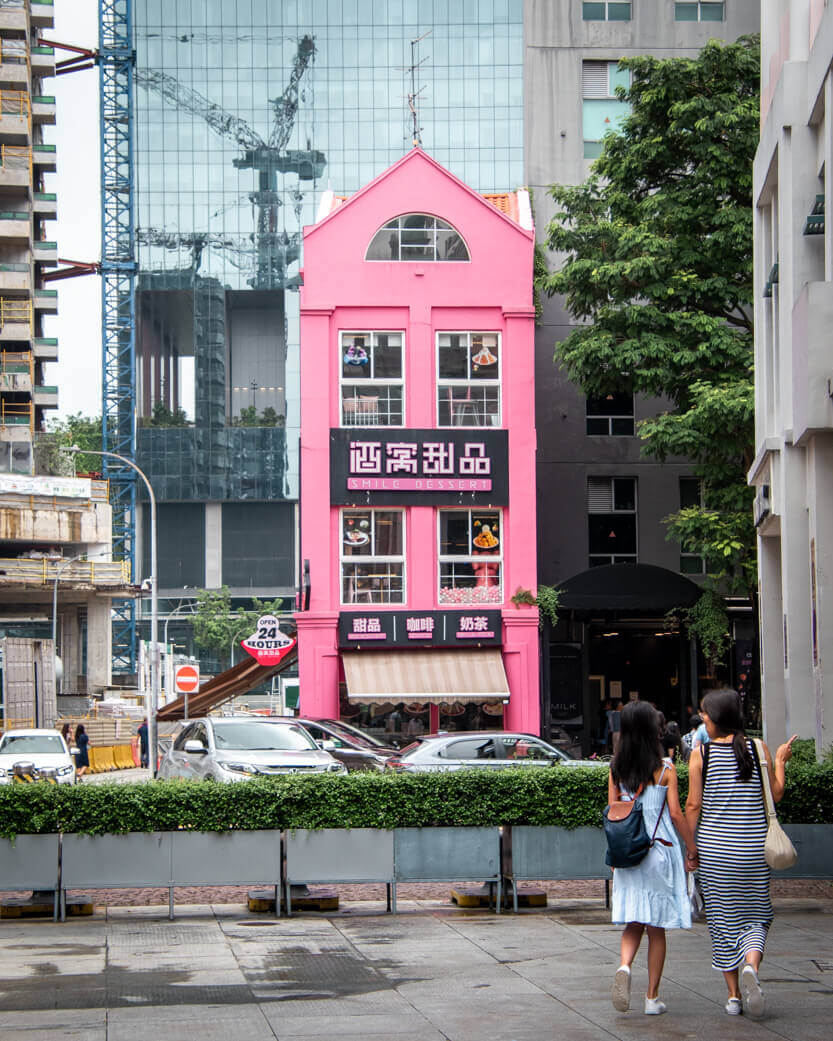
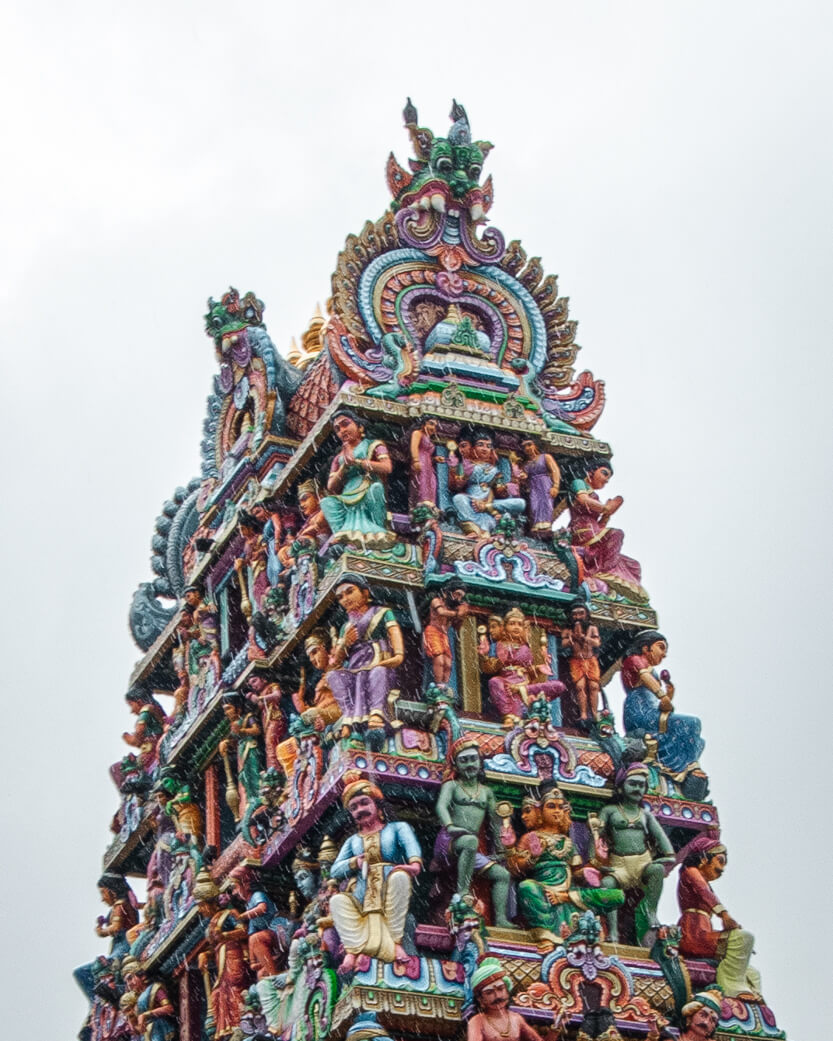
Then there are all the religious buildings, which are fascinating to keep an eye out for. There’s a bit of everything – Hindu and Chinese temples, mosques, and churches. Scattered across Singapore, some are colorful and peaceful, while others are full of life, with loud sounds, music, and scents.
Some of the must-visit religious sites we recommend include: Sri Mariamman Temple, Sultan Mosque, Buddha Tooth Relic Temple and Museum, Thian Hock Keng Temple, St. Andrew’s Cathedral, Sri Veeramakaliamman Temple, Kwan Im Thong Hood Cho Temple, and Siong Lim Temple (Lian Shan Shuang Lin Monastery).
4. Walls That Tell Stories
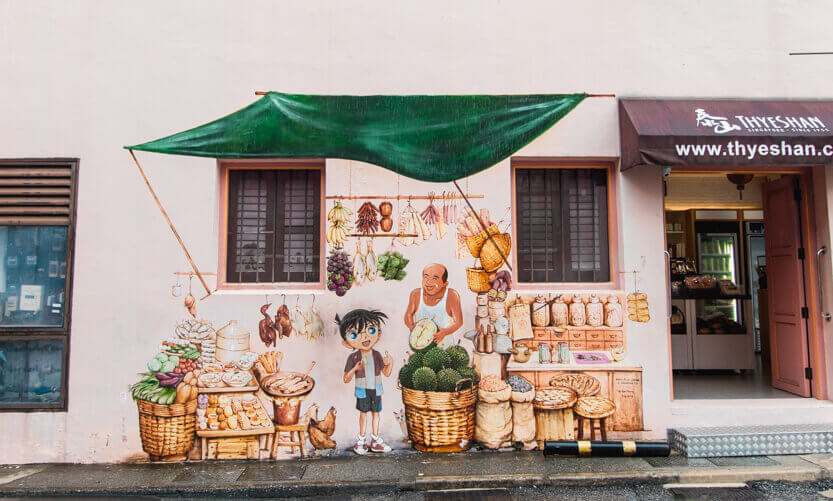
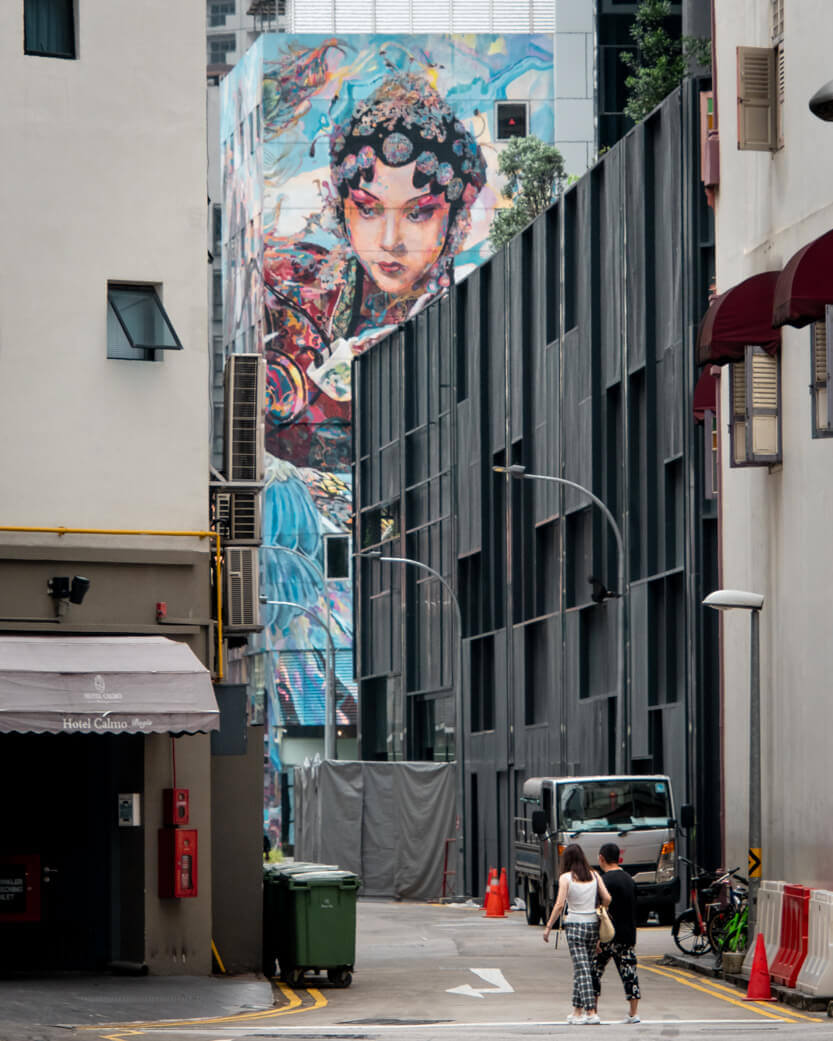
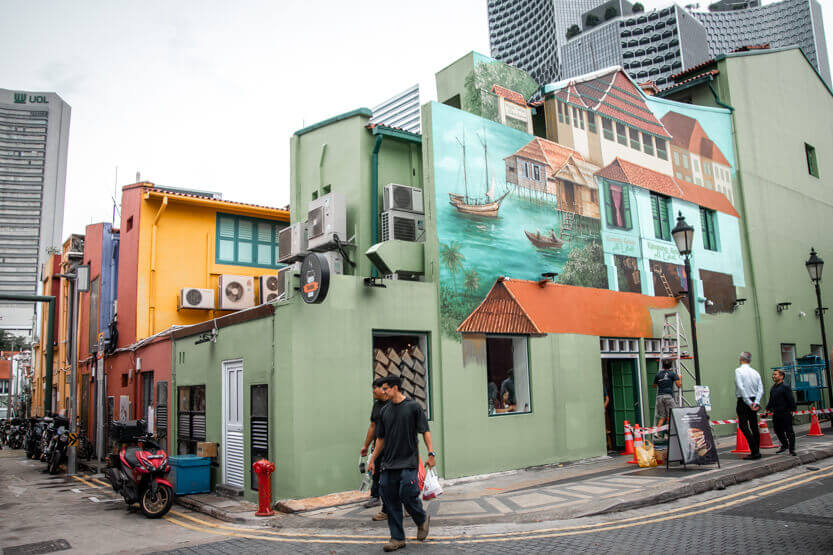
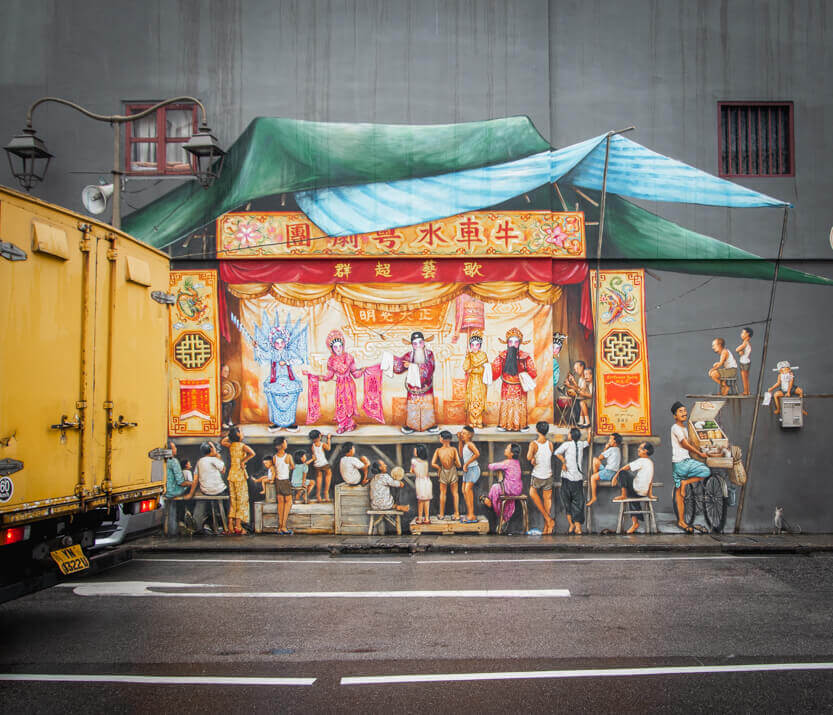
There are so many stories for those ready to listen – or look! Singapore is full of history if you just pay attention. Take, for example, the many murals on the city’s building facades. Many of them convey and preserve snapshots of Singapore’s past, showcasing history, art, and culture.
You’ll find them everywhere, but especially in areas like Chinatown, Little India, Tiong Bahru, Everton Road, and Kampong Glam, where they’re particularly abundant. Here are just a few we came across on our journey.
5. Authentic Chinatown
I don’t feel like I’ve truly been to Singapore without making a stop in Chinatown. Singapore’s Chinatown simply bursts with energy. As I see it, Chinatown is the most vibrant area in the city – perhaps even at the very heart of Singapore. Chinatown tells the story of Singapore, from its early days as a small trading post to the bustling metropolis it has become today. Here’s a bit of why.
How Chinatown came to be
Chinatown was established in the 1820s, after Sir Stamford Raffles founded Singapore as a British trading post. Chinese immigrants flocked to the island, settling in the area in search of work and opportunities. They built a full commercial hub, with shops (shophouses), markets, and business ventures. They also constructed temples and other religious buildings, which served as gathering places for the community.
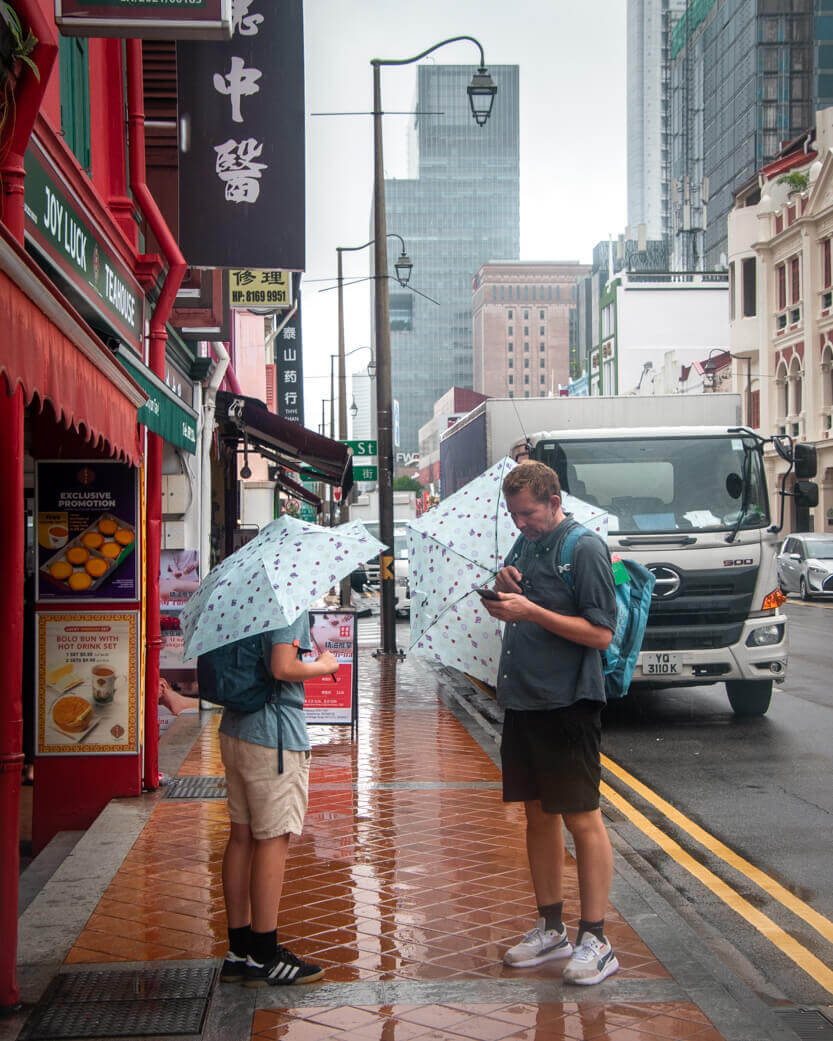
Chinatown developed at lightning speed. This rapid growth eventually led to overcrowded housing and poor sanitation, which in turn caused social problems, gang activity, prostitution, and opium dens. Because conditions had become so dire, large-scale demolitions began in the 1960s and 70s. New high-rise buildings were constructed, and residents were relocated into them.
But these drastic measures didn’t come without consequences. The government began to recognize Chinatown’s significance – not only historically, but also for its cultural importance to Singapore.
A new direction
In the 1980s, the demolitions stopped, and the focus shifted to restoring and preserving the historic buildings instead.
Today, Chinatown is one of Singapore’s biggest tourist attractions. Yet it remains vibrant, lively, and incredibly exciting to explore. Most of all, it feels genuine and authentic, filled with fascinating shops, eateries, markets, religious temples, and a mix of scents (and smells) that make wandering its streets a true sensory adventure.
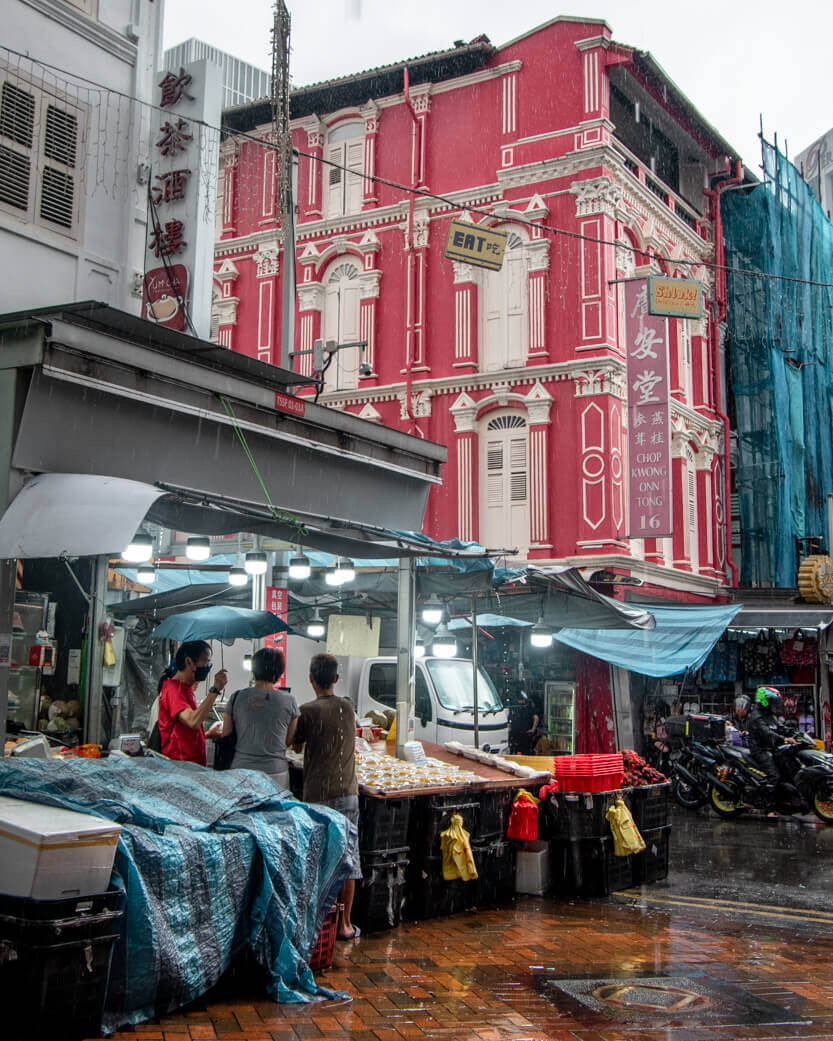
The many small Chinese shops are fascinating to peek into. What could they be using all these ingredients for? The aroma of the spices mixes with the city’s other scents, creating the unique atmosphere Singapore is known and loved for – exotic, tropical, and unmistakably Singaporean.
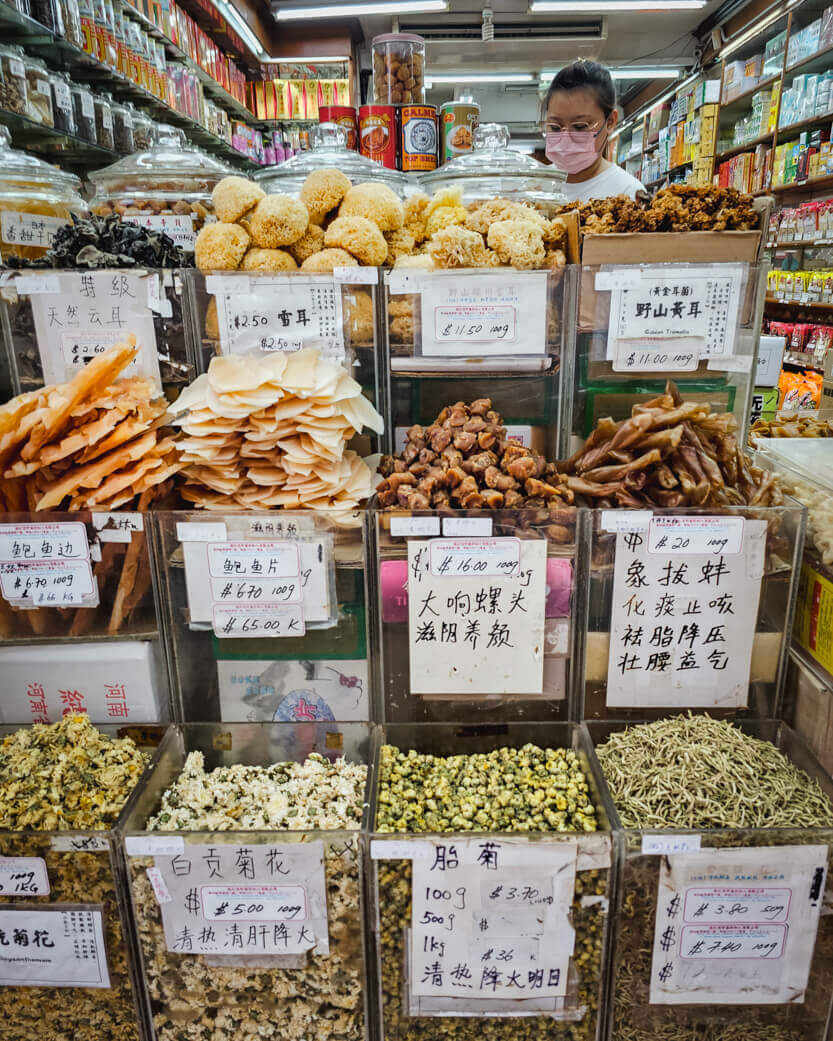
In the 1990s, when I visited Singapore frequently, one of the most exciting things I remember was wandering through the small shophouses. Some of them had boxes filled with old remnants from the colonial era – powder cases, perfume bottles, antique Malaysian wooden boxes, textiles, clothing, and just… all sorts of treasures. Today, you can hardly find such items displayed openly anymore. Many of the shops now sell Chinese souvenirs and other trinkets instead.
The rapid development Chinatown has undergone has undeniably come with some losses, but even so, I still think the area has so much to offer.
6. Singapore’s street hawker paradise
Singapore’s food culture is unmatched. It comes from every corner of the world, isolated, combined, and fused. It’s Malaysian, Chinese, Indonesian, Thai, Vietnamese, Japanese, Laotian, Indian, Western… I could go on forever.
One thing is for sure: the food is incredible, both in flavor and variety. Prices can be sky-high, but if you want to eat deliciously without breaking the bank, head to one of the many street hawkers scattered throughout the city.
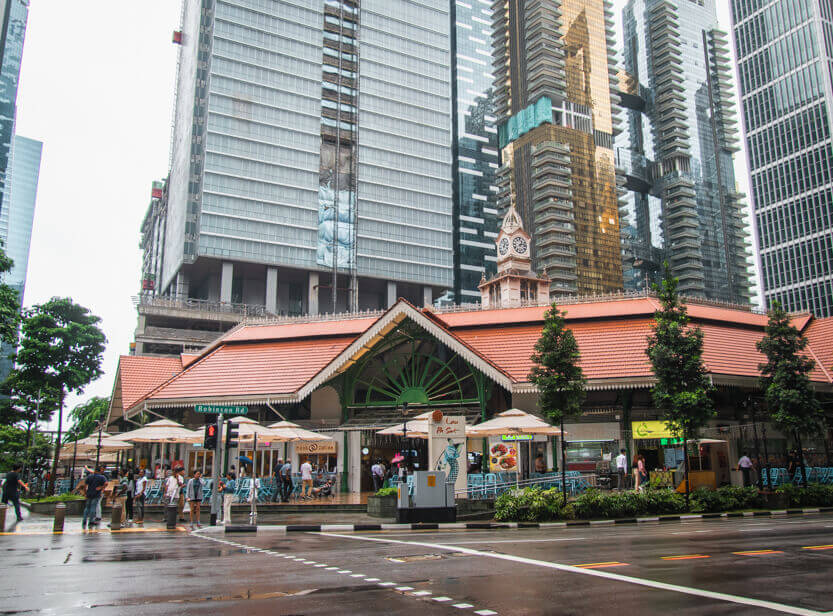
Lau Pa Sat Hawker Centre, located in Singapore’s Central Business District, is one of the oldest marketplaces in the city, dating back to 1824.
We had hoped to have lunch there, but we ran into the local lunch rush and couldn’t find an empty seat. Still, the beautiful Victorian building with its cast-iron structures was an adventure in itself, made even more immersive by the sights, sounds, and smells…
It’s an experience not to be missed.
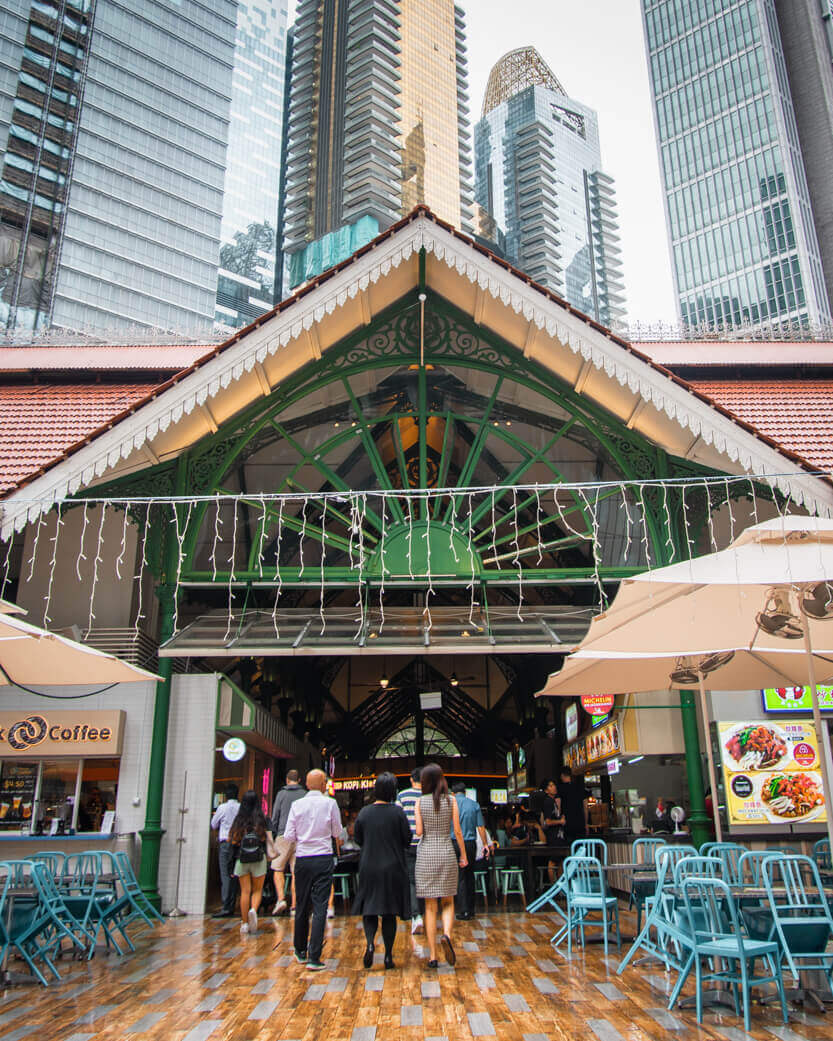
In the 1990s, it was still possible to buy food from street vendors in Singapore. Today, they’re almost gone. This was part of the government’s efforts to consolidate street hawkers into hawker centres, where standards and hygiene could be better monitored.
It might sound a bit touristy, but it’s far from it. Locals eat there all the time – not only because it’s affordable, but also because the recipes in the various hawkers have been passed down through generations, refined over time to achieve exceptional quality and flavor. Hawker centres also serve as social hubs for families, friends, and colleagues.
You can easily find hawker centres by searching “hawker centre” on Google Maps. Most of the large shopping malls also have their own hawker centre, usually on the ground floor or at the very top of the building.
7. High tea, cake magic, and English charm
Now we’re moving into the slightly more expensive end of experiences – the kind that really costs a pretty penny. We’re talking high tea. I’ve tried quite a few in Singapore by now. In fact, it was my mother, who lived here with my father, who first introduced me to this English tradition, brought to Singapore during colonial times. High tea is a social event, where people gather for tea, scones, and cakes – very English, but in Singapore, Asian bites have now been added to the mix. High tea comes in many forms, styles, and price ranges.
On this trip, we decided to go for one of the grandest experiences and booked a table at the Fullerton Hotel, originally an old post office built in 1928. I’ve always wanted to try high tea here because the building is fascinating, full of history, and surrounded by it as well.
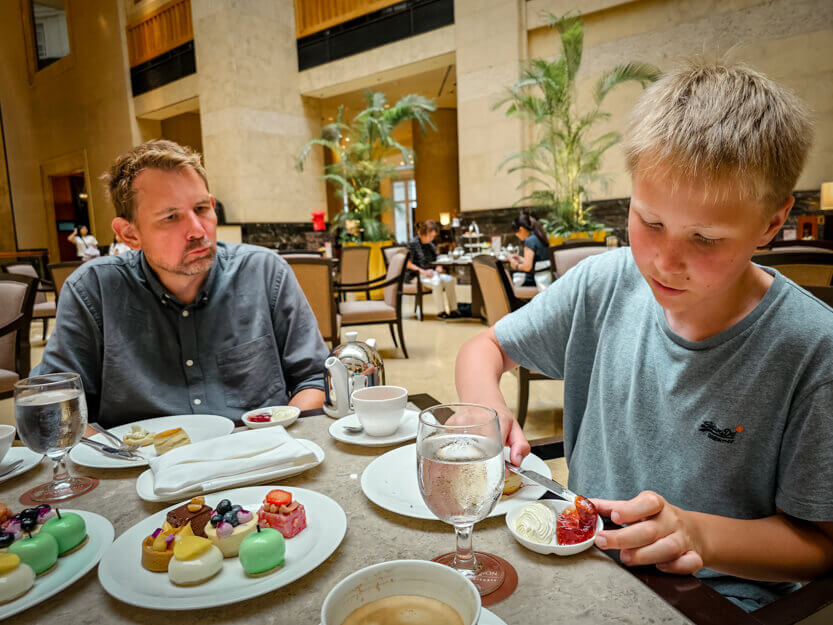
High tea is one of the experiences we choose to spend money on when visiting Singapore. We love food. We love cake. We love Asian dishes. And we love enjoying it together. It’s something we prioritize when we travel, and we can wholeheartedly recommend it.
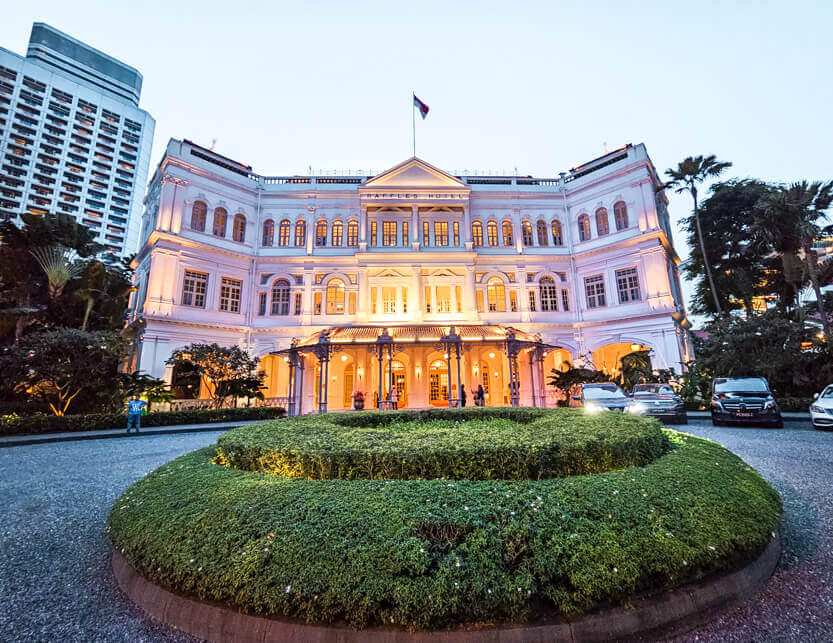
8. Visit Raffles Hotel at dusk
Another experience we’re happy to spend a little extra on is enjoying a Singapore Sling at Raffles Hotel. Raffles isn’t just a hotel; it’s an institution and a symbol of Singapore. It represents luxury, elegance, and history, and it feels enchanting, magical, and timeless – like stepping back in time, an adventure in itself.
We can’t afford to stay at the hotel, but the building is so beautiful that simply walking around it is an experience. Even though the drink is pricey, that alone is more than enough for us.
The Singapore Sling is an iconic cocktail, which we traditionally love to enjoy in the Palm Court, preferably in the evening when darkness falls – you can read more about our Singapore Sling experience here.
9. Evening magic at Gardens By the Bay
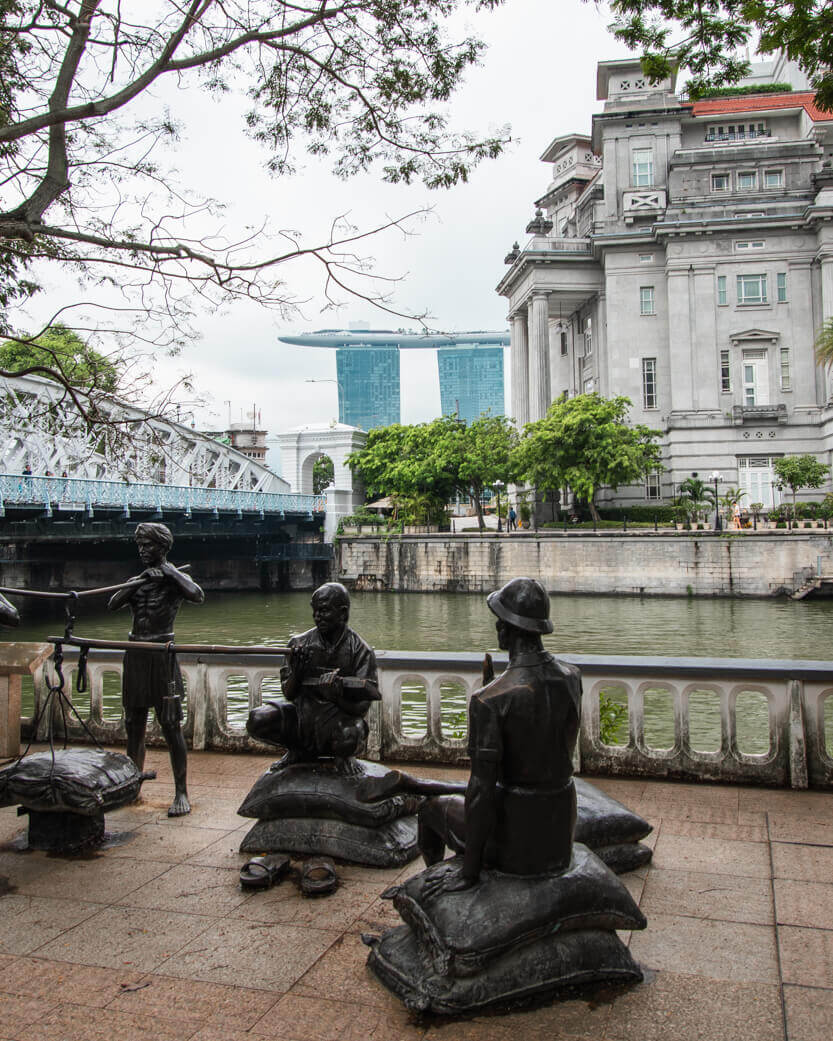
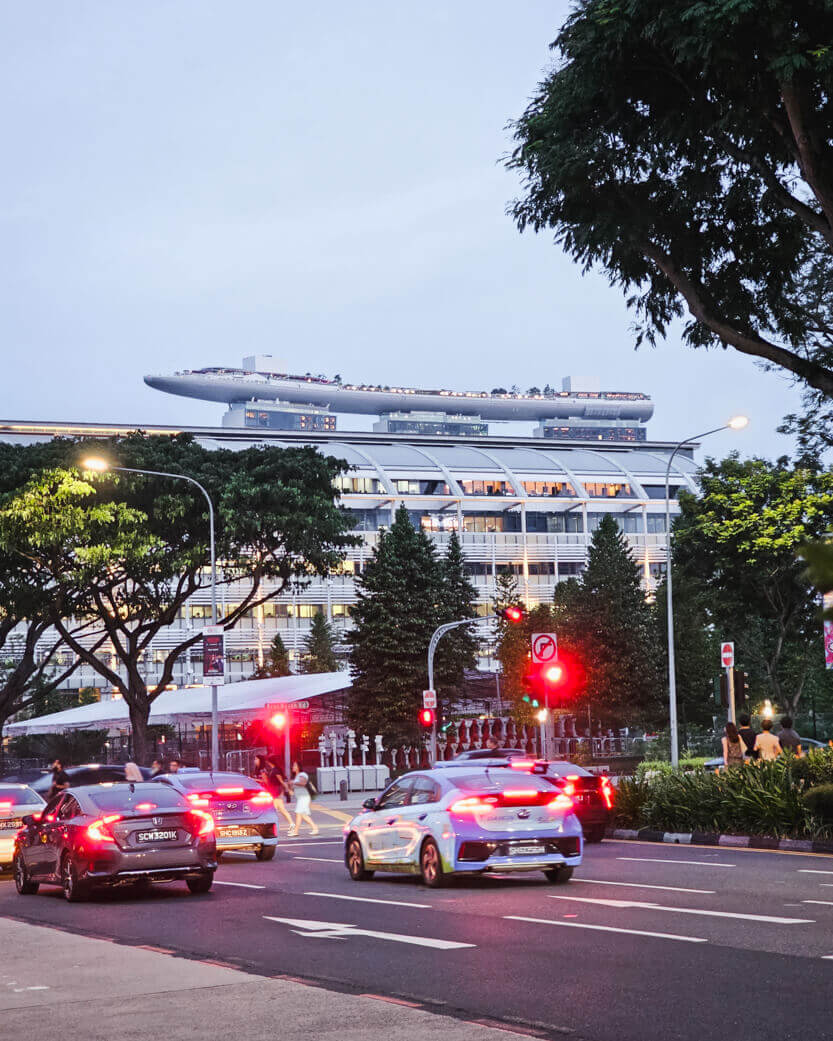
Just behind Raffles Hotel, this view unfolds: Marina Bay Sands, located beyond Gardens By the Bay – the place where the magic of the evening came alive for us. We had plans to go up to the top of the hotel, but first, we wanted to stroll through Gardens By the Bay and experience the night’s enchantment among the towering Supertrees.
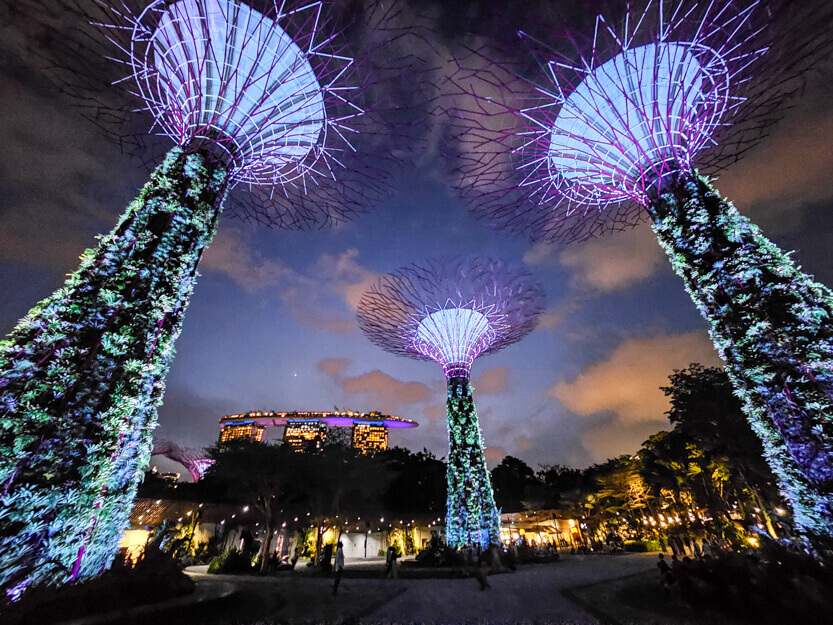
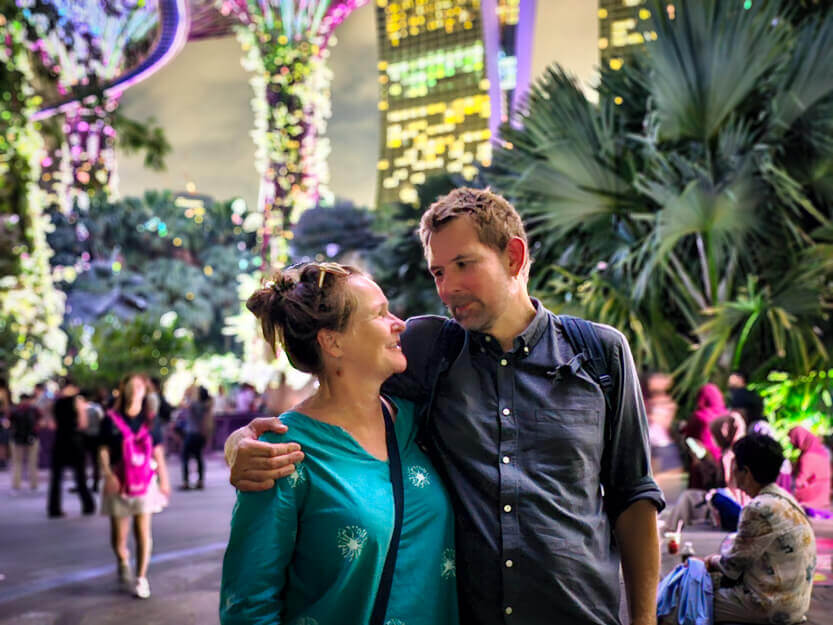
We think it’s a fantastic way to end our trip – it’s as if all the lights, colors, and the tropical night awaken and gather every feeling from the journey, making me feel so lucky to be right there with Peter and Sebastian, after weeks of adventures and experiences. Some things simply can’t be put into words. Sometimes, there’s just magic – and Singapore is pretty good at that.
10. Singapore skyline by night
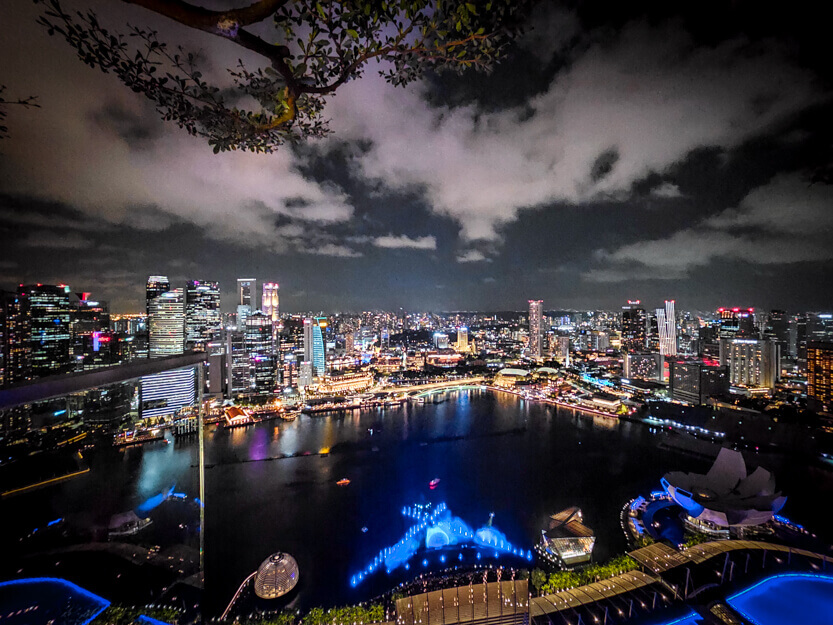
After the magical light show at Gardens By the Bay, we walked through the park, over the bridge, and toward the glowing Marina Bay Sands Hotel. We went inside and splurged to get all the way to the top, to their rooftop with a restaurant, bar, and swimming pools. The view is simply indescribable.
Since we weren’t staying at the hotel, we couldn’t use the pool, but we enjoyed a drink at the bar and soaked in the absolutely stunning view. The restaurant was a bit too crowded for us to want to dine there this time, so we simply enjoyed the view, felt the thrill, and appreciated how lucky we were to be right there together – seeing Singapore in its own light.
11. The Jewel: Squeezing out the last magic of Singapore
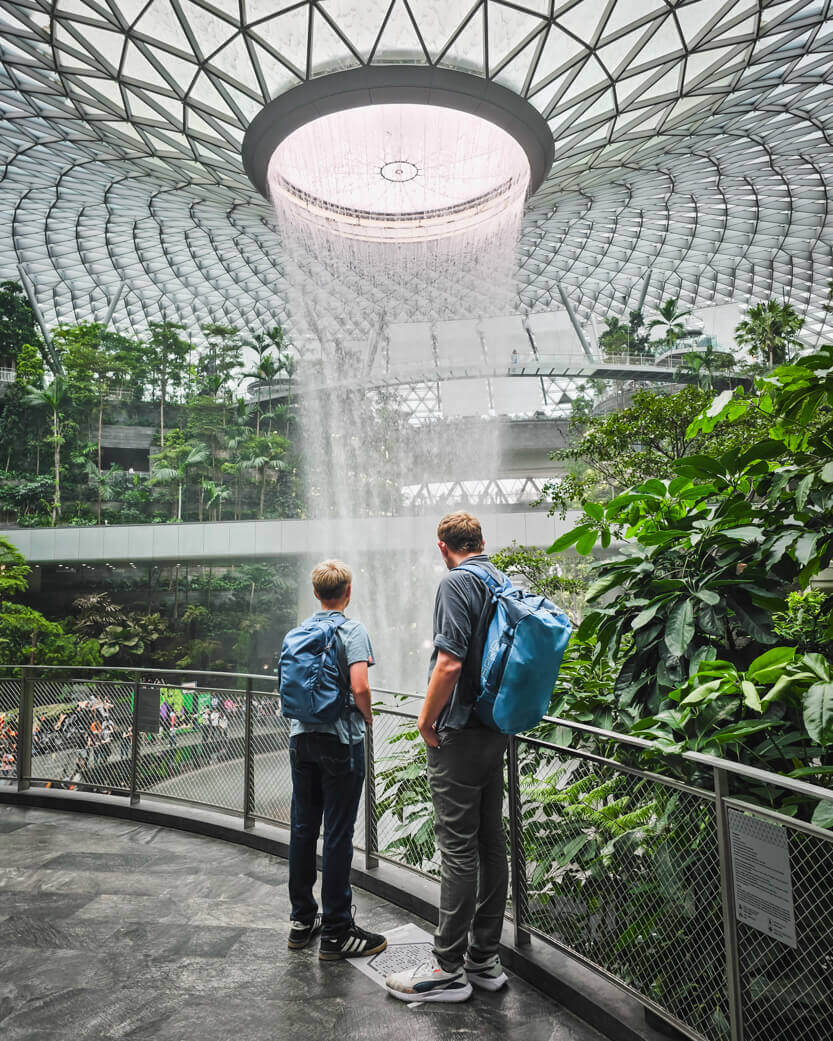
It was coming to an end. The trip was over. We had packed our backpacks and were heading home. But to make sure we wouldn’t be too sad, Singapore had built a new terminal at the airport: The Jewel. Not so we’d sit there crying, but so we could squeeze out the last bit of magic from the city, as if Singapore were saying:
“Just because you’re leaving, don’t think you’ll be sad here. We have everything, we give you everything, and what we can’t offer this time, we’ll save for your next visit. Because you’re coming back now. Aren’t you?”
And yes, we will return. Even though the trip costs a pretty penny. Even though everything costs a pretty penny.
Singapore is magical, wild, yet tamed. Singapore is like an Asian tiger, both purring and scratching… because you sense the tamed wild animal, but the beast also shows itself in the city’s energy and dynamism – an Asian giant, determined to move forward, no matter the cost.
I thought I knew Singapore, having visited so many times. I thought the history and the decades that have passed would give me a special insight. What I’ve truly realized, however, is that Singapore is always a step ahead.
Regardless of the dynamic pace versus moments of calm, Singapore is truly an adventure we wholeheartedly recommend. It’s a melting pot of colors, concrete, greenery, humidity, tropical heat, palms, skyscrapers, and architectural gems – all intertwined with colonial houses that remind you the city also has a history. Singapore isn’t just futuristic; it carries its history with it and simply is. Right now. Waiting for you to come and visit.
Safe travels.